 Current Location:
Leaf Spring
Clutch Plate
Clutch Pressure Plate
Oil Filter
Battery Clamp
Motorcycle Parts
Hydraulic Fittings
Brake Rotor
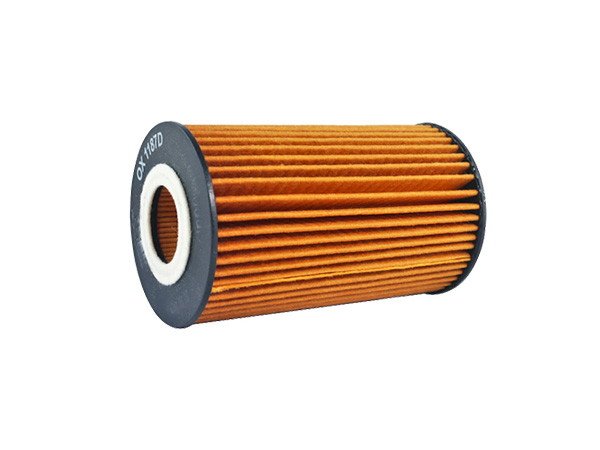
Bus Oil Filter
Product Details
A bus oil filter is a professional heavy-duty filtration component specially designed for passenger bus diesel engines, tailored to the unique operating characteristics of city buses, intercity coaches and tourist buses. Different from ordinary car and light truck filters, it is optimized for frequent start-stop operations, long-hour continuous running, low-speed heavy-load conditions and complex urban road environments. As a core part of the bus engine lubrication system, it effectively filters harmful impurities in engine oil, protects precision engine parts, ensures stable operation of passenger vehicles, and reduces fleet maintenance costs and travel safety risks.
Buses have distinct working conditions that put forward higher requirements for oil filtration. City buses start and stop frequently at stations, run at low speeds for a long time in traffic jams, and their engines are prone to incomplete combustion, producing a large amount of carbon deposits, soot and oxidized oil sludge. Intercity and tourist buses often drive continuously for long distances under full-load operation, generating massive metal wear debris from engine crankshafts, cylinder liners and bearings. If these pollutants cannot be filtered in time, they will mix into the circulating engine oil, scratch precision parts, block oil passages, and cause engine overheating, power attenuation and abnormal noise. The bus oil filter solves these problems efficiently through a scientific filtration structure and high-performance filter media.
The working principle of the bus oil filter follows professional heavy-duty filtration standards. When the bus engine is running, the oil pump delivers contaminated engine oil from the oil pan into the filter. The high-density multi-layer composite filter medium, composed of high-quality cellulose and synthetic fibers, accurately intercepts metal particles, carbon sludge, dust and colloidal impurities of different sizes. After purification, the clean engine oil flows through the central pipeline and circulates back to all lubrication points of the engine. Equipped with a built-in anti-drain back valve, it can lock the engine oil inside the filter after the engine is turned off. This avoids dry friction and wear caused by oil backflow during frequent startup of buses, greatly reducing early engine loss. Meanwhile, the high-pressure bypass valve serves as an emergency protection mechanism. When the filter element is clogged by excessive dirt after long-term operation, the valve opens automatically to ensure smooth oil circulation, preventing engine damage caused by oil shortage.
Compared with ordinary vehicle filters, bus oil filters have unique structural advantages. They adopt an enlarged filter area and high dirt-holding capacity, adapting to the long maintenance cycle of bus fleets and reducing the frequency of replacement. The thickened steel shell features high pressure resistance and vibration resistance, which can cope with continuous jolting and vibration during long-distance driving and urban road traveling, avoiding shell deformation and oil leakage. The high-temperature and aging-resistant rubber sealing gasket ensures stable sealing performance in high-temperature engine environments and all-weather driving conditions, effectively preventing oil seepage and air intake. In addition, the reinforced internal support structure prevents the filter medium from being squeezed and deformed under long-term high oil pressure, maintaining stable and lasting filtration efficiency.
Bus oil filters are mainly divided into spin-on integrated filters and cartridge filter elements, which are widely applicable to Yutong, King Long, Cummins, Weichai and other mainstream bus engine models. Spin-on filters are easy and fast to replace, suitable for rapid maintenance of urban bus fleets and improving operational efficiency. Cartridge filters are more environmentally friendly and cost-effective, meeting the long-term operation and maintenance needs of large intercity bus fleets.
Scientific maintenance of bus oil filters is crucial to fleet operation. It is recommended to replace the filter together with engine oil every 8,000 to 20,000 kilometers. Buses operating in dusty urban and suburban environments need to appropriately shorten the replacement cycle. Using high-quality bus oil filters can effectively reduce engine wear, extend engine service life, lower fuel consumption and failure rate, and ensure the safety and stability of passenger transportation. For bus operating companies, premium oil filters are key to reducing operational costs, lowering vehicle downtime and improving fleet service efficiency.
In conclusion, the bus oil filter is an indispensable protective component for passenger bus engines. It adapts to the special operating scenarios of buses, provides reliable full-cycle engine protection, and plays a vital role in ensuring safe passenger travel and standardized and efficient operation of commercial bus fleets.
BLOGS
-
How to Choose the Right Leaf Sp
2026-07-10 06:01:42Discover how to choose the right leaf spring for your heavy duty truck. Learn about load capacity, material types, and what to look for in a reliable leaf spring supplier....
MORE + -
Common Leaf Spring Problems and
2026-07-07 05:01:56Identify and resolve common leaf spring problems in fleet vehicles. Expert guide to diagnosing failures and implementing effective replacement solutions for commercial trucks....
MORE + -
Understanding Clutch Pressure P
2026-07-03 03:45:25Learn how the clutch pressure plate works and identify the signs that indicate it needs replacement. Expert guide for mechanics and vehicle owners on pressure plate diagnosis and selection....
MORE + -
Why do heavy vehicles need thic
2026-06-16 11:13:11Heavy-duty trucks, semi-trailer tractors and construction machinery operate under continuous high torque, heavy loads and frequent start-stop conditions, which generate severe mechanical pressure and thermal shock on clut...
MORE +