Current Location:
How to Choose the Right Leaf Spring for Your Heavy Duty Truck - Complete Guide
2026-07-10Selecting the correct leaf spring for a heavy duty truck is one of the most important decisions a fleet manager or vehicle owner can make. The right leaf spring affects ride quality, load-bearing capacity, handling, and overall safety on the road. With dozens of options available from different manufacturers, understanding what separates a quality leaf spring from a substandard one can save time, money, and prevent costly breakdowns.
Why Leaf Spring Selection Matters for Heavy Duty Trucks
Heavy duty trucks operate under extreme conditions. They carry payloads that can exceed several tons, traverse rough terrain, and log thousands of miles each month. A poorly matched leaf spring will wear out faster, cause uneven tire wear, create an uncomfortable ride, and potentially compromise vehicle stability. A correctly specified spring, on the other hand, distributes the load evenly across the axle, maintains proper ride height, and contributes to predictable handling under all conditions.
From a commercial standpoint, choosing the right leaf spring also affects maintenance intervals and total cost of ownership. Investing in springs designed for your specific application reduces replacement frequency and keeps vehicles on the road longer.
Understanding Load Capacity Requirements
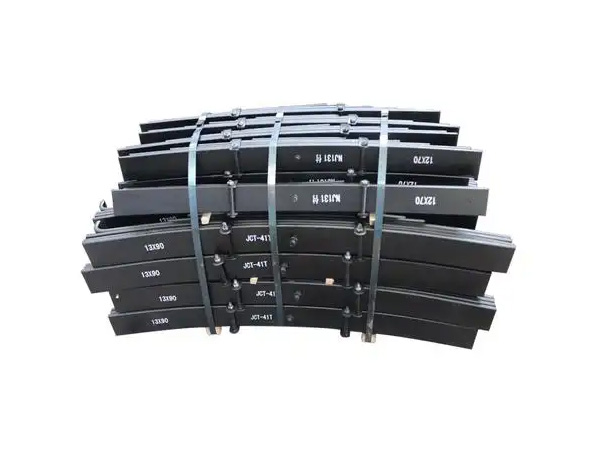
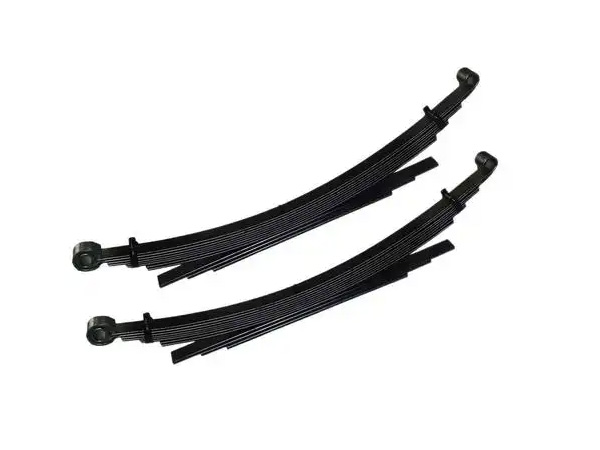
The starting point for any leaf spring selection is understanding the gross vehicle weight rating (GVWR) and the actual load your truck typically carries. Leaf springs are rated by their deflection rate, typically expressed in pounds per inch of travel. A spring that is too soft will bottom out under load, while one that is too stiff will create a harsh ride and transfer excessive vibration to the vehicle body.
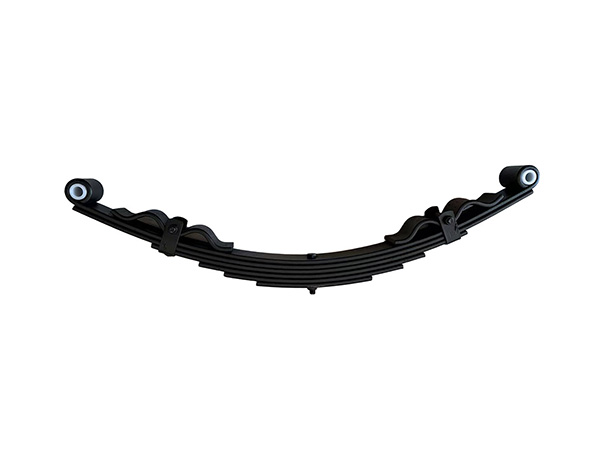
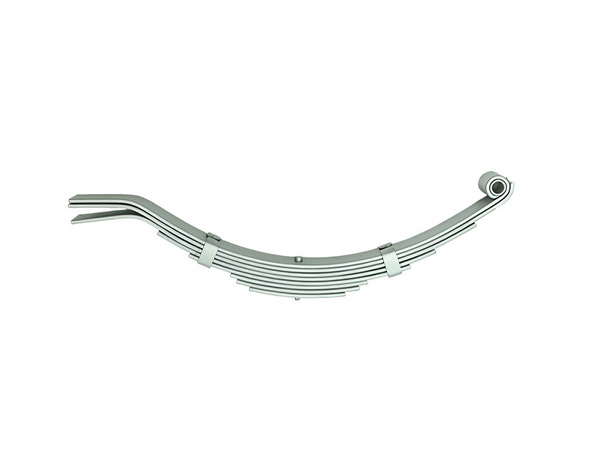
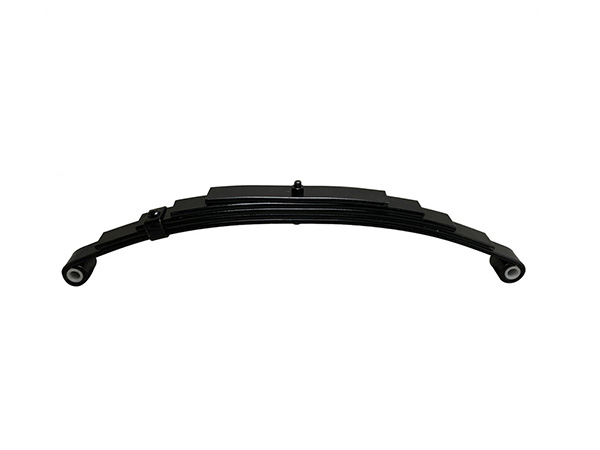
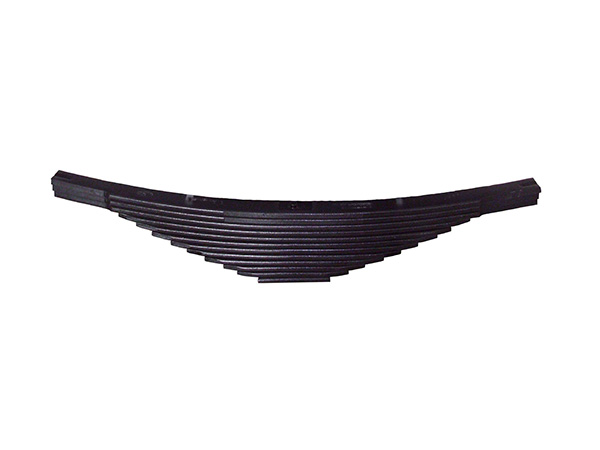
For heavy duty applications, multi-leaf parabolic or progressive-rate springs are often preferred because they offer a blend of load capacity and ride comfort. Mono-leaf springs are occasionally used in lighter configurations but are generally not suitable for the heaviest commercial applications.
Material and Heat Treatment Considerations
Not all leaf springs are made from the same steel. The most common materials include carbon steel (SAE 1060-1090 range) and various alloy steels such as SAE 5160 or SAE 51B60. The choice of material affects the spring's fatigue life, corrosion resistance, and ability to withstand repeated loading cycles.
Quality leaf springs undergo controlled heat treatment processes, including austempering or oil tempering, to achieve the optimal balance of hardness and toughness. A well-treated spring will resist cracking at the eyelet areas and maintain its spring rate over tens of thousands of miles. Always ask your supplier about the heat treatment process and whether the springs meet relevant industry standards for your target markets.
OEM vs Aftermarket Leaf Springs
Original equipment manufacturer (OEM) springs are designed to meet exact specifications for a particular vehicle model. They offer predictable performance but can be more expensive and may have limited availability for older vehicle platforms.
Aftermarket leaf springs from established manufacturers often provide equivalent or superior performance at a more competitive price point. The key is verifying that the supplier has proper quality control systems in place and can provide batch consistency across orders. Look for manufacturers who supply both OEM and aftermarket markets, as this typically indicates a mature production process.
Working with a Qualified Leaf Spring Supplier
A reliable leaf spring supplier should be able to provide technical documentation, material certifications, and dimensional drawings for their products. They should also offer custom engineering services if your application requires non-standard specifications such as custom arch heights, unique eye configurations, or specialized attachment hardware.
When evaluating suppliers, ask about their production capacity, lead times, and whether they support OEM/ODM customization based on drawings or samples. These capabilities are particularly important for buyers sourcing suspension components for diverse vehicle platforms.
Conclusion
Choosing the right leaf spring for a heavy duty truck requires careful attention to load requirements, material quality, heat treatment, and supplier credentials. By understanding these fundamentals, fleet operators and parts distributors can make informed purchasing decisions that improve vehicle performance and reduce long-term operating costs.
References
Society of Automotive Engineers. (2021). SAE J1123: Recommended Practice for Vehicle Suspension Springs and Stabilizer Bars. SAE International.
National Highway Traffic Safety Administration. (2020). Federal Motor Vehicle Safety Standards: Suspension Systems. U.S. Department of Transportation, Washington, D.C.
Boresi, A.P., & Schmidt, R.J. (2003). Advanced Mechanics of Materials (6th ed.). John Wiley & Sons. — Chapter 9: Curved Beams and Flat Springs.
Heinz, T. (2016). Vehicle Suspension Elements: Design and Application. SAE Technical Paper Series. doi:10.4271/2016-01-8001.