Current Location:
Understanding Clutch Pressure Plate Function and When to Replace It
2026-07-03The clutch pressure plate is one of the most mechanically stressed components in any manual transmission vehicle, yet it receives far less attention than the more frequently replaced clutch disc. Understanding how the pressure plate functions, recognizing the symptoms of its degradation, and knowing when replacement is necessary can help vehicle owners and fleet managers avoid unexpected failures and make better maintenance decisions.
How the Pressure Plate Works
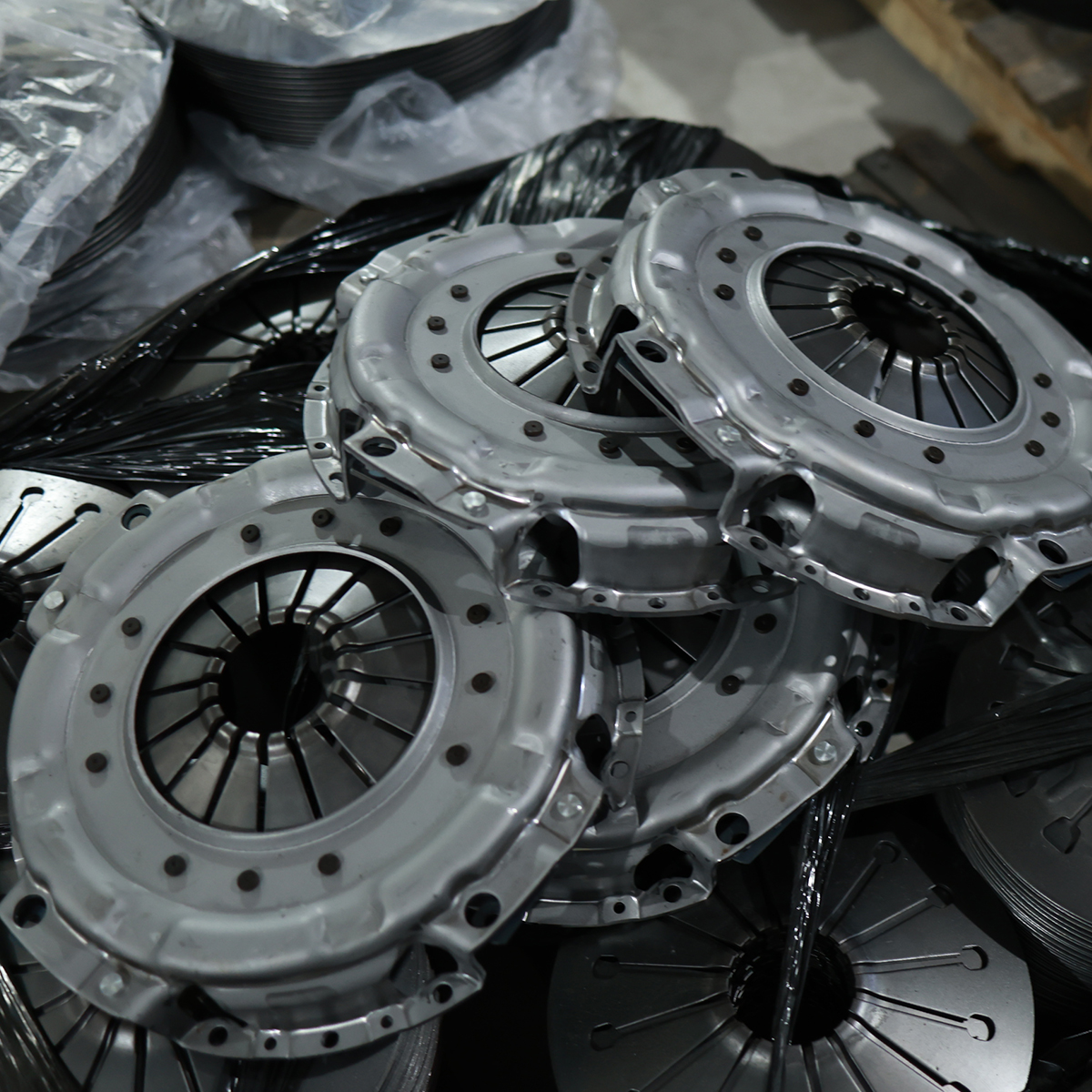
The pressure plate is mounted directly to the engine flywheel and holds the clutch disc in contact with the flywheel surface when the clutch is engaged. Inside the pressure plate assembly, a series of diaphragm spring fingers — or, in older designs, coil spring fingers — apply continuous force to a friction plate that holds the disc firmly in place. This force is what enables torque transmission from the engine to the transmission input shaft without slip.
When the driver presses the clutch pedal, a release bearing pushes against the center of the diaphragm spring, causing the spring fingers to flex outward. This reduces the clamping force on the disc, allowing it to spin independently of the flywheel so that the driver can change gears or come to a stop without stalling the engine.
The pressure plate must therefore perform two seemingly contradictory jobs simultaneously: apply thousands of pounds of clamping force during engagement while allowing complete and instantaneous release when the pedal is pressed. This repeated cycling under high stress and temperature makes the pressure plate susceptible to fatigue over time.
Common Pressure Plate Failure Modes
Pressure plate failures generally fall into three categories, each with distinct symptoms:
Loss of clamping force: The diaphragm spring gradually loses its elasticity and ability to apply sufficient force to the disc. This manifests as a slipping clutch — the engine revs increase but the vehicle does not accelerate proportionally. Loss of clamping force typically becomes noticeable as the vehicle ages and the spring metal fatigues from millions of engagement cycles.
Failure to release (drag): The pressure plate fails to fully release the disc when the clutch pedal is pressed. This creates difficulty shifting gears, particularly from neutral to first or when attempting to shift into reverse. Drag is often caused by warping of the pressure plate friction surface or failure of the diaphragm spring's release mechanism.
Glazing and surface contamination: Oil, grease, or contaminated friction material from a worn disc can transfer to the pressure plate's friction surface, creating a glazed layer that reduces friction coefficient. This causes slipping, shudder, and reduced torque capacity even when the mechanical components are otherwise sound.
Diagnosing Pressure Plate Problems vs Disc Problems
Many clutch-related symptoms are initially attributed to the disc when the real culprit is the pressure plate. A few diagnostic pointers can help distinguish between the two:
If the clutch grabs or shudders during engagement, the disc friction material is usually the suspect. If the clutch slips — particularly under load at higher RPM — the pressure plate is the more likely cause. If gears are difficult to select when the vehicle is moving but easy to select when stationary, the pressure plate may not be fully releasing the disc.
These symptoms can overlap, which is why a comprehensive inspection by an experienced technician is essential before replacing either component. In most cases where one component has failed, it is prudent to replace both simultaneously, as the other component has typically experienced accelerated wear from the same conditions that caused the initial failure.
Heat Management in Heavy Duty Applications
Heat is the primary enemy of the pressure plate. During engagement, friction between the disc and both the flywheel and pressure plate generates significant heat. In heavy duty applications — such as commercial trucks operating with heavy loads or in demanding terrain — this heat can exceed the design limits of standard pressure plates, causing premature wear of the diaphragm springs and warping of the friction surface.
Heavy duty pressure plates designed for commercial applications typically use stronger diaphragm spring materials, improved heat-dissipating designs, and more robust housing construction to withstand these demanding conditions. When specifying replacement pressure plates for heavy duty vehicles, ensure that the replacement part is rated for the application's actual operating conditions.
Pressure Plate Selection Considerations
When selecting a replacement pressure plate, the most important specifications are the clamp load rating (which must exceed engine torque with an adequate safety margin), the release characteristics (which must work with your vehicle's release bearing and hydraulic or cable actuation system), and the flywheel mounting pattern and bolt circle diameter.
Some pressure plates are designed specifically for use with certain types of clutch discs. For example, certain modern pressure plates with organic-disc-optimized release profiles may not perform well with ceramic discs and vice versa. Always verify compatibility between the pressure plate and disc combination before purchasing.
A reliable supplier of pressure plates and clutch components should be able to provide detailed application data, torque ratings, and compatibility guidance for their product range, including support for custom OEM/ODM specifications based on drawings or samples.
Conclusion
The clutch pressure plate is the heart of the clutch assembly, responsible for applying the clamping force that makes power transmission possible. Recognizing the signs of pressure plate degradation — slipping, drag, shudder — and replacing it in a timely manner, ideally in conjunction with a new disc, keeps manual transmission vehicles operating reliably and safely.
References
Society of Automotive Engineers. (2020). SAE J2487: Automotive Clutch Test Procedures and Performance Evaluation. SAE International, Warrendale, PA.
Drago, R.J. (2011). Fundamentals of Motor Vehicle Technology (6th ed.). Chilton Professional Publications, Chilton, PA.
Newcomb, T.P., & Spurr, R.T. (1967). Braking of Road Vehicles. Chapman and Hall, London. — Reference material on friction coupling systems.
Zhang, Y., et al. (2020). Thermal Fatigue Analysis of Diaphragm Spring Clutch Pressure Plates. SAE International Journal of Commercial Vehicles, 13(2), 112–128.