 Current Location:
Leaf Spring
Clutch Plate
Clutch Pressure Plate
Oil Filter
Battery Clamp
Motorcycle Parts
Hydraulic Fittings
Brake Rotor
Trailer Oil Filter
Product Details
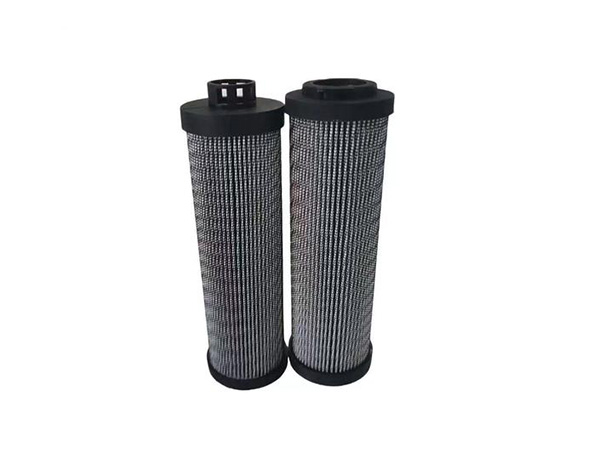
Trailer oil filters are specialized heavy-duty filtration components engineered for trailer auxiliary engines, hydraulic systems, and the diesel powertrains of tractor-trailer combinations. Unlike standard passenger car oil filters or ordinary truck filters, they are manufactured to withstand non-stop long-distance transportation, frequent vibration, fluctuating loads, and extreme weather conditions that trailers encounter on highways, mountain roads, and construction yards. Serving as a critical defensive barrier for both trailer engine lubrication circuits and hydraulic oil loops, this component intercepts abrasive pollutants, maintains fluid stability, and drastically cuts the risk of sudden trailer breakdowns during cross-country hauling.
The working mechanism of a trailer oil filter combines heavy-duty filtration logic with dual safety valves tailored to trailer operation habits. When the trailer’s engine or hydraulic pump activates, contaminated lubricating or hydraulic oil flows from the oil sump into the filter’s outer chamber. The internal multi-layer composite filter medium—blended with thick cellulose and synthetic microfibers—traps a large volume of pollutants unique to trailer equipment: metal shavings from constant vibration friction, carbon soot generated under sustained full-load operation, road dust sucked into sealed oil passages, oxidized sludge formed by long-hour high-temperature running, and tiny rubber debris from aging pipeline seals. After solid impurities are blocked, clean oil flows through the central perforated steel tube and circulates back to lubricate pistons, crankshafts, hydraulic cylinders and bearings. Two core safety valves guarantee system stability. The anti-drain back valve seals oil inside the filter housing once the trailer engine shuts down. Trailers often park for days between delivery tasks; this valve eliminates dry startup friction caused by oil flowing back to the tank, avoiding premature wear on precision moving parts. The high-pressure bypass relief valve acts as emergency protection: if the filter medium is fully saturated with dirt after thousands of kilometers of hauling, the valve automatically opens to maintain uninterrupted oil flow, preventing catastrophic engine seizure or hydraulic system lockup that could disable the entire loaded trailer on busy roadways.
Trailer oil filters feature reinforced structural upgrades that distinguish them from regular vehicle filters. First, they adopt an enlarged filter area to deliver superior dirt holding capacity. Trailers carry heavy cargo for tens of thousands of kilometers without frequent maintenance, so the filter element must store far more contaminants before clogging. Second, the outer shell uses thickened cold-rolled steel, resistant to persistent road vibration, minor collisions and extreme temperature swings from freezing winter highways to scorching summer asphalt. Third, high-temperature aging-resistant nitrile rubber gaskets are installed at all connection joints. Trailers endure constant jolting during transportation; inferior seals easily crack and trigger costly oil leaks, while customized gaskets maintain tight sealing for extended service cycles. Fourth, internal support frames are thickened to prevent filter medium deformation under sustained high oil pressure, a common failure point for cheap generic filters used on heavy trailers.
There are two mainstream styles of trailer oil filters widely adopted in the logistics industry: spin-on disposable filters and reusable cartridge filter elements. Spin-on filters dominate light and medium-duty trailer setups, allowing mechanics to twist off and replace the entire unit quickly during fleet maintenance, saving valuable downtime for delivery companies. Cartridge filters are favored by large long-haul fleets and heavy-duty cargo trailers. Users only swap the internal filter element and reuse the sturdy metal housing, lowering long-term operational costs and reducing waste.
Proper maintenance of trailer oil filters directly impacts fleet profitability. Standard replacement intervals range from 15,000 to 40,000 kilometers, adjusted based on working environments. Trailers operating on dusty mining or rural roads require earlier replacements to avoid over-saturated filter media. Operators must select model-matched filters compatible with mainstream trailer engine brands including Cummins, Weichai and MAN. Low-cost counterfeit filters with thin, low-efficiency media fail to capture micro-particles, leading to accelerated cylinder liner scratching, rising fuel consumption, reduced hydraulic power, and expensive full engine overhauls. During installation, technicians should coat the sealing gasket with a thin layer of clean oil and fasten the filter following factory torque standards to avoid shell rupture or slow oil seepage.
In commercial logistics, the trailer oil filter is an irreplaceable cost-saving component. Premium filters extend the service life of trailer engines and hydraulic equipment, minimize unexpected roadside breakdowns that delay cargo deliveries, and slash long-term repair expenses for transportation enterprises. For fleet managers, investing in high-performance trailer oil filters is a simple yet effective strategy to boost vehicle reliability, cut operational downtime, and improve overall transportation efficiency in the competitive freight industry.
BLOGS
-
How to Choose the Right Leaf Sp
2026-07-10 06:01:42Discover how to choose the right leaf spring for your heavy duty truck. Learn about load capacity, material types, and what to look for in a reliable leaf spring supplier....
MORE + -
Common Leaf Spring Problems and
2026-07-07 05:01:56Identify and resolve common leaf spring problems in fleet vehicles. Expert guide to diagnosing failures and implementing effective replacement solutions for commercial trucks....
MORE + -
Understanding Clutch Pressure P
2026-07-03 03:45:25Learn how the clutch pressure plate works and identify the signs that indicate it needs replacement. Expert guide for mechanics and vehicle owners on pressure plate diagnosis and selection....
MORE + -
Why do heavy vehicles need thic
2026-06-16 11:13:11Heavy-duty trucks, semi-trailer tractors and construction machinery operate under continuous high torque, heavy loads and frequent start-stop conditions, which generate severe mechanical pressure and thermal shock on clut...
MORE +