Current Location:
Organic vs Ceramic Clutch Disc Materials - Which is Right for Your Application
2026-08-16Choosing the correct friction material for a clutch disc is one of the most consequential decisions in the repair process. The friction compound bonded to the disc's steel core determines not only how the clutch engages and feels but also how long it lasts, how well it handles heat, and what effect it has on the mating surfaces of the flywheel and pressure plate. Among the available options, organic and ceramic materials are the two most common choices, and understanding their distinct characteristics is essential for making an informed decision.
The Fundamentals of Clutch Friction Materials
Before comparing specific material types, it helps to understand what friction materials must accomplish. The disc's friction lining must generate sufficient frictional force to transmit engine torque without slipping, even as temperatures fluctuate dramatically during repeated engagements. At normal operating temperatures, most friction materials perform consistently. The critical test comes at elevated temperatures — during hill starts, heavy loads, or aggressive driving — where heat buildup can cause the friction coefficient to drop, leading to slip and rapid wear.
Different friction material formulations address this challenge in different ways. Some prioritize consistent, smooth engagement at moderate temperatures. Others are engineered to maintain grip at higher temperatures but may require more precise pedal technique to engage smoothly.
Organic Friction Materials: Composition and Performance
Organic friction materials — sometimes called non-asbestos organic or NAO — use a matrix of fibers bonded together with phenolic resin. The fibers may be made from glass, carbon, aramid (Kevlar), or cellulose, often in combination. Organic discs are the most widely used type in original equipment applications for passenger vehicles and light commercial vehicles.
The primary advantages of organic friction materials are smooth engagement, quiet operation, and effective heat dissipation at the temperature ranges typical of normal driving. They are gentle on the flywheel and pressure plate friction surfaces, which means that when the time comes for the next clutch replacement, the flywheel may be resurfaceable rather than requiring replacement.
The main limitation of organic materials is their tendency to fade at higher temperatures. Under sustained heavy loads or aggressive driving conditions, organic discs can lose friction coefficient and experience glazed, hard spots that cause shudder and noise. They also tend to wear faster in high-temperature environments compared to ceramic or semi-metallic alternatives.
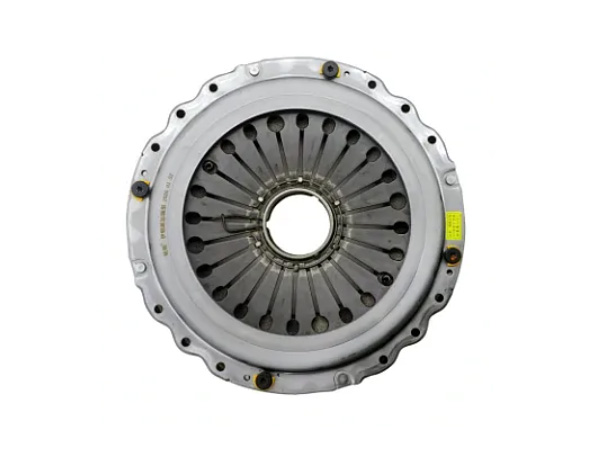
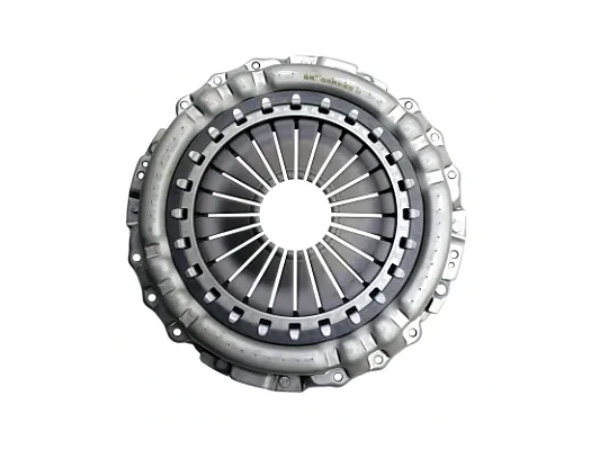
Ceramic Friction Materials: Composition and Performance
Ceramic friction materials incorporate ceramic fibers — typically aluminum oxide, silicon carbide, or other ceramic compounds — into the bonding matrix. These materials were originally developed for heavy duty commercial applications where heat resistance is paramount, but have since become popular in the performance and aftermarket sectors as well.
The key advantage of ceramic materials is their superior thermal stability. They maintain their friction coefficient across a much wider temperature range than organic materials, making them ideal for vehicles that frequently operate at high load conditions: towing, hilly terrain, heavy payloads, or spirited driving. In these conditions, ceramic discs typically outlast organic discs by a significant margin.
The trade-offs are real and worth understanding. Ceramic discs generally produce harder, less smooth engagements, which can make them more challenging to drive smoothly in traffic. They are also harder on the flywheel and pressure plate, meaning that flywheel wear is accelerated and replacement becomes necessary more frequently. Some ceramic formulations can also generate higher noise levels, particularly during low-speed engagements.
Semi-Metallic Friction Materials
Semi-metallic materials deserve mention as a third option commonly found in the market. These discs incorporate metallic particles — steel, copper, iron, or brass — into the friction compound. They offer excellent heat dissipation and durability, making them well-suited for heavy duty applications, but they share some of the drawbacks of ceramic materials, including increased flywheel wear and sometimes harsher engagement feel.
Semi-metallic materials are often the preferred choice for heavy duty commercial vehicles, construction equipment, and agricultural machinery where the operating conditions are severe and ride quality is less critical than durability.
Application Recommendations
For standard passenger vehicles driven primarily for commuting and normal transportation purposes, organic clutch discs are almost always the best choice. They deliver smooth, comfortable engagements and adequate durability for typical usage patterns.
For vehicles that regularly tow trailers, carry heavy loads, operate in mountainous terrain, or are used in performance driving applications, ceramic or semi-metallic discs are more appropriate. The additional cost is justified by significantly longer service life under demanding conditions.
A quality clutch disc supplier should be able to recommend the appropriate friction material for your specific vehicle model, engine power level, and usage profile. Custom recommendations based on application details — rather than a one-size-fits-all approach — are a sign of a knowledgeable and customer-focused supplier.
Conclusion
Organic and ceramic clutch discs each serve distinct purposes. Organic materials offer smooth operation and flywheel protection for normal driving. Ceramic materials provide superior heat resistance and durability for demanding applications. Choosing the right material based on your actual usage conditions ensures the best balance of performance, longevity, and value.
References
Holmberg, K., & Erdemir, A. (2017). Influence of Tribology on Global Energy Consumption, Costs and Emissions. Friction, 5(3), 263–284.
Jack, C. (2016). Friction Material Selection for Automotive Clutch Disc Applications. SAE International Journal of Materials and Manufacturing, 9(2), 178–189.
Tworzydlo, W.W., & Hamcock, J.T. (2012). Thermal Analysis of Wet and Dry Clutch Systems in Automotive Transmissions. SAE Technical Paper Series. doi:10.4271/2012-01-0103.
National Research Council. (2018). Automotive Friction Materials: Technology and Regulation. National Academies Press, Washington, D.C.