 Current Location:
Leaf Spring
Clutch Plate
Clutch Pressure Plate
Oil Filter
Battery Clamp
Motorcycle Parts
Hydraulic Fittings
Brake Rotor
Motorcycle Oil Filter
Product Details
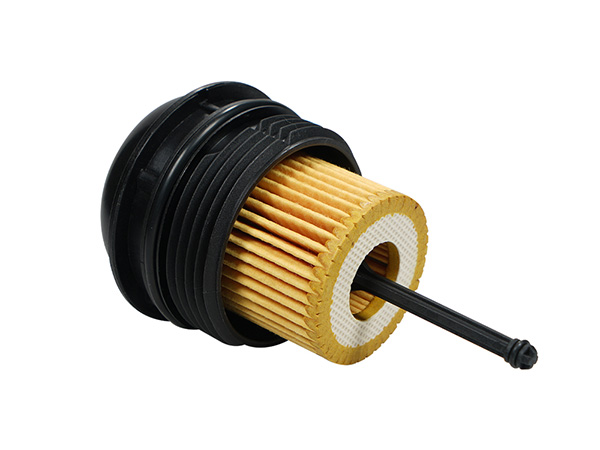
A motorcycle oil filter is an essential precision filtration component designed specifically for motorcycle internal combustion engines, including street bikes, off-road motorcycles, racing bikes and daily commuter scooters. Different from heavy-duty filters used in trucks and construction machinery, motorcycle oil filters are compact, high-efficiency, and precisely calibrated to adapt to high-speed engine operation, frequent acceleration and deceleration, unstable road conditions and high-temperature working environments. Serving as a key part of the motorcycle lubrication system, it effectively cleans contaminated engine oil, reduces internal engine wear, maintains stable engine performance, and extends the service life of motorcycle power systems.
Motorcycle engines operate under unique and intense working conditions. Most motorcycle motors feature high rotating speed, compact structure and high power density. During daily riding, frequent start-stop, rapid acceleration and high-speed cruising cause incomplete fuel combustion, producing carbon deposits, tiny soot particles and oxidized oil sludge. Meanwhile, high-frequency mechanical friction between pistons, crankshafts, bearings and transmission parts generates fine metal debris. Off-road motorcycles face even harsher environments with heavy dust, vibration and drastic temperature changes. Without effective filtration, these impurities will circulate inside the engine, scratch precision components, block tiny oil passages, cause poor lubrication, increase engine noise, reduce power output, and lead to overheating and early engine aging.
The working principle of a motorcycle oil filter adopts precision micro-filtration technology suitable for high-speed small-displacement engines. During engine operation, the oil pump circulates engine oil to lubricate moving parts. As the oil flows into the filter housing, the high-density composite filter media intercepts metal particles, carbon sludge, dust and oxidation residues. The multi-layer filter material achieves gradient filtration, trapping microscopic contaminants while ensuring smooth oil flow and minimal oil pressure loss, which is extremely important for the sensitive power response of motorcycles. After purification, clean oil flows back to the engine circulation system to provide continuous lubrication, cooling and sealing protection. Equipped with a reliable anti-drain back valve, the filter locks oil inside the unit after engine shutdown, preventing dry-start wear during frequent short-distance riding. A built-in bypass valve acts as emergency protection; if the filter becomes clogged due to harsh riding conditions, the valve opens to maintain normal oil circulation and avoid engine damage caused by oil shortage.
Motorcycle oil filters feature professional lightweight and high-strength structural optimization. Compared with automotive filters, they have a smaller and more compact overall size to fit the limited installation space of motorcycle engines, while maintaining excellent filtration accuracy and dirt holding capacity. The high-grade filter paper and synthetic fiber media deliver high filtration efficiency for ultra-fine particles, effectively protecting precision engine assemblies. The reinforced metal shell is pressure-resistant and vibration-proof, adapting to long-term bumpy road riding without deformation or oil leakage. High-temperature resistant rubber gaskets ensure excellent sealing performance under extreme engine heat and variable weather conditions, preventing oil seepage and pressure loss. The internal support structure prevents filter media collapse under frequent pressure fluctuations, ensuring stable and consistent filtration performance throughout the entire service cycle.
Applicable to a full range of motorcycles, including Honda, Yamaha, Suzuki, Kawasaki, BMW and domestic mainstream models, motorcycle oil filters are mainly divided into spin-on external filters and built-in cartridge filters. Spin-on filters are easy to replace during routine maintenance, suitable for most street and sport bikes. Cartridge filters are widely used in mid-to-high-end motorcycles, offering higher filtration precision and better cost performance for long-term use.
Timely replacement of high-quality motorcycle oil filters is critical for riding safety and engine durability. A clean lubrication system improves throttle response, stabilizes power output, reduces engine noise and lowers fuel consumption. For motorcycle enthusiasts, daily commuters and professional fleet maintenance, premium oil filters effectively avoid premature engine wear, reduce maintenance frequency and repair costs, and ensure smooth, reliable and safe riding experience in various road and weather conditions.
In summary, the motorcycle oil filter is a fundamental protective component for high-speed two-wheel power equipment. Its precision filtration, stable performance and durable structure provide comprehensive engine protection, making it an indispensable part of daily motorcycle maintenance and long-term engine health management.
BLOGS
-
How to Choose the Right Leaf Sp
2026-07-10 06:01:42Discover how to choose the right leaf spring for your heavy duty truck. Learn about load capacity, material types, and what to look for in a reliable leaf spring supplier....
MORE + -
Common Leaf Spring Problems and
2026-07-07 05:01:56Identify and resolve common leaf spring problems in fleet vehicles. Expert guide to diagnosing failures and implementing effective replacement solutions for commercial trucks....
MORE + -
Understanding Clutch Pressure P
2026-07-03 03:45:25Learn how the clutch pressure plate works and identify the signs that indicate it needs replacement. Expert guide for mechanics and vehicle owners on pressure plate diagnosis and selection....
MORE + -
Why do heavy vehicles need thic
2026-06-16 11:13:11Heavy-duty trucks, semi-trailer tractors and construction machinery operate under continuous high torque, heavy loads and frequent start-stop conditions, which generate severe mechanical pressure and thermal shock on clut...
MORE +