 Current Location:
Leaf Spring
Clutch Plate
Clutch Pressure Plate
Oil Filter
Battery Clamp
Motorcycle Parts
Hydraulic Fittings
Brake Rotor
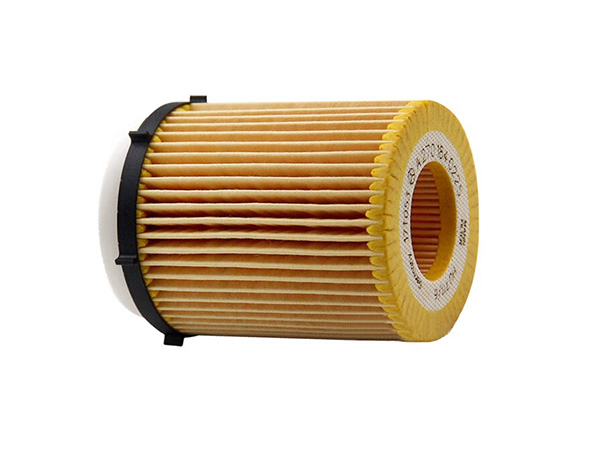
Car Oil Filter
Product Details
A car oil filter is a core lubrication system component installed on automobile engines. Its main function is to continuously filter engine oil during vehicle operation, removing harmful impurities mixed in the oil to protect the whole engine assembly.
Working Principle
When the engine runs, the oil pump circulates engine oil to lubricate moving parts like pistons, crankshafts and bearings. Tiny metal shavings from component friction, carbon deposits, dust and oxidized sludge will contaminate the oil.
Dirty oil flows into the oil filter. Inside, multi-layer filter media intercept solid contaminants, while clean oil passes through the central pipeline and returns to the engine for circulation. Most filters are equipped with a bypass valve: if the filter media is clogged by heavy dirt, the valve opens automatically to ensure oil circulation and avoid engine oil starvation damage.
Key Functions
Block abrasive impurities
Metal debris and grit will scratch cylinder walls, bearings and valve components without filtration. The filter traps these particles to reduce mechanical wear and extend engine service life.
Maintain oil performance
Impurities accelerate oil oxidation and degradation. Clean oil keeps stable viscosity, good lubrication, cooling and sealing effects.
Reduce engine failure risks
Contaminated oil easily causes oil channel blockage, poor heat dissipation and abnormal engine noise. A qualified oil filter effectively lowers the probability of stalling, power loss and overhaul.
Extend oil replacement cycle
High-efficiency filters slow down oil deterioration, matching regular maintenance intervals recommended by car manufacturers.
Main Internal Structures
Filter medium: Usually composite paper, microfiber or synthetic fabric, with dense micropores for fine particle interception.
Central metal tube: Supports filter layers and serves as the channel for purified oil output.
Anti-drain back valve: Prevents oil from flowing back to the oil pan after engine shutdown, guaranteeing instant lubrication at the next startup.
Pressure relief bypass valve: Emergency protection against filter blockage and oil supply interruption.
Sealing rubber gasket: Avoids oil leakage at the installation joint.
Classification by Application
Spin-on oil filter
The mainstream disposable type for most passenger cars. The whole shell is twisted off and replaced directly during maintenance, simple to install.
Cartridge oil filter
Only the internal filter element is replaced, retaining the original metal housing. More eco-friendly, widely used in new energy hybrid vehicles and many European models.
Replacement & Maintenance Tips
Follow vehicle maintenance manuals: Normally replace the oil filter together with engine oil every 5,000–10,000 kilometers or 6–12 months, whichever comes first.
Choose matching specifications: Incorrect size, poor filtration efficiency or inferior filter materials will cause severe engine abrasion.
Check sealing after installation: Tighten the filter to standard torque; replace the rubber gasket if aging to stop oil leaks.
Avoid long-term overdue replacement: Overloaded filters lose filtering capacity, letting abrasive particles circulate freely inside the engine and triggering permanent component damage.
Importance for Vehicle Performance
The oil filter acts as the engine’s "kidney". Without effective filtration, engine wear will multiply, fuel consumption rises, power output weakens, and engine overhaul costs surge in the long run. Premium car oil filters stabilize engine operation, cut maintenance costs and prolong the overall service life of automobiles.
BLOGS
-
How to Choose the Right Leaf Sp
2026-07-10 06:01:42Discover how to choose the right leaf spring for your heavy duty truck. Learn about load capacity, material types, and what to look for in a reliable leaf spring supplier....
MORE + -
Common Leaf Spring Problems and
2026-07-07 05:01:56Identify and resolve common leaf spring problems in fleet vehicles. Expert guide to diagnosing failures and implementing effective replacement solutions for commercial trucks....
MORE + -
Understanding Clutch Pressure P
2026-07-03 03:45:25Learn how the clutch pressure plate works and identify the signs that indicate it needs replacement. Expert guide for mechanics and vehicle owners on pressure plate diagnosis and selection....
MORE + -
Why do heavy vehicles need thic
2026-06-16 11:13:11Heavy-duty trucks, semi-trailer tractors and construction machinery operate under continuous high torque, heavy loads and frequent start-stop conditions, which generate severe mechanical pressure and thermal shock on clut...
MORE +