Current Location:
How to stop leaf spring rubbing and wear?
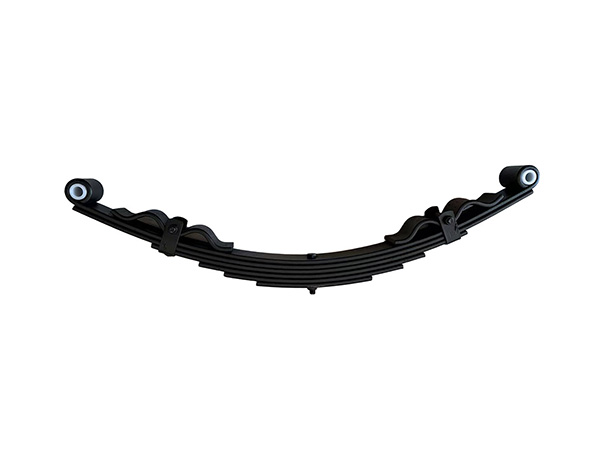
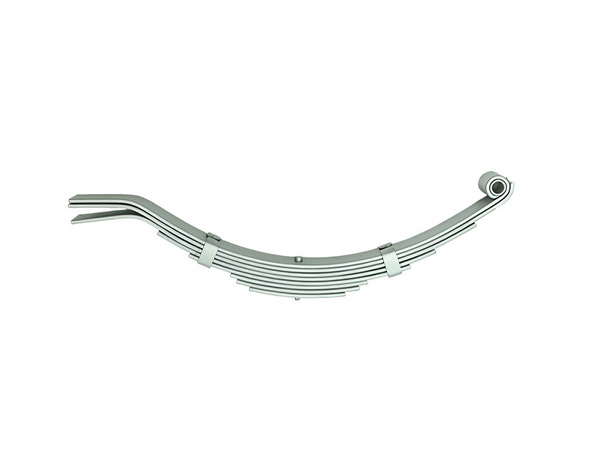
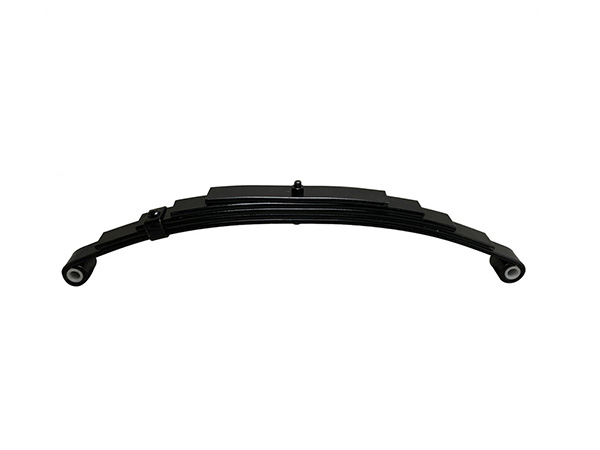
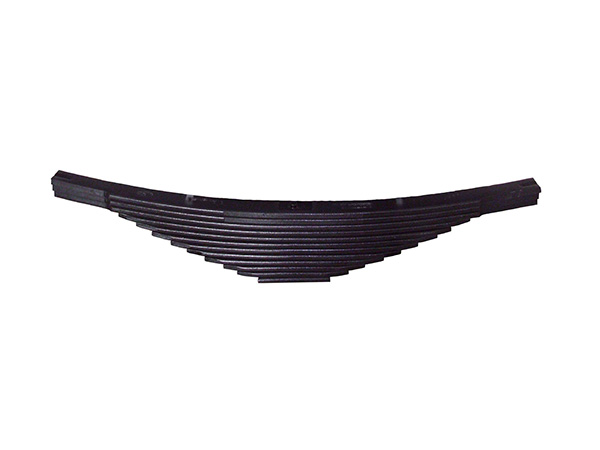
2026-06-16Rubbing and abrasion are inevitable natural loss of leaf springs under cyclic compression and rebound, yet severe accelerated wear shortens spring service life drastically and triggers early cracking, sagging and squeaking noise. Excessive rubbing mainly occurs between stacked spring leaves, between springs and frame brackets, U-bolts, shackles or axle seats. A full set of standardized preventive and maintenance measures can effectively isolate hard contact, reduce friction loss and extend the whole suspension cycle. The systematic solutions are divided into material matching, structural accessories, installation standards, daily maintenance and driving optimization as below.
1. Install dedicated anti-wear gaskets between spring leaves
Direct steel-to-steel contact is the primary source of inter-leaf abrasion. All multi-leaf spring assemblies must be equipped with high-temperature resistant plastic or rubber anti-friction gaskets between every two steel plates during assembly. These gaskets buffer sliding friction, disperse local pressure and avoid metal grinding thinning. For heavy-duty mining and overloaded transport vehicles, thicker reinforced nylon gaskets are recommended instead of thin ordinary rubber sheets for better compression and wear resistance. Replace damaged, broken or missing gaskets completely every time the leaf spring is disassembled; never reassemble bare steel leaves without gaskets.
2. Apply high-temperature anti-friction lubricant regularly
Ordinary grease will be washed away by rain, mud and road water quickly. Special lithium-based high-temperature leaf spring lubricant maintains stable lubrication under long-term extrusion and high friction heat. Lift the vehicle, clean mud, sand and rust from all leaf gaps thoroughly, then evenly coat lubricant on both sides of each leaf surface, spring eye inner wall and shackle pin contact position. Lubrication cycle reference: every 8,000–10,000 km for highway fleets, every 3,000–5,000 km for mine and gravel road vehicles. Lubrication forms an isolation film to cut friction coefficient and slow surface wear significantly.
3. Standardize torque installation to avoid lateral rubbing displacement
Uneven or loose U-bolts make the leaf spring stack shift left and right during driving, causing continuous scraping against frame limit blocks, axle brackets and U-bolt inner walls. Use a torque wrench to tighten U-bolts symmetrically and evenly according to factory rated torque value, so the whole spring assembly is fixed centered without offset. Check U-bolt tightness monthly; retighten loose bolts promptly. Replace bent, deformed U-bolts or spring seats, as irregular shapes will squeeze the spring sidewalls and create persistent rubbing marks.
4. Replace aging buffer rubber bushings and limit blocks
Worn, hardened or cracked rubber bushings at spring eyes and shackles eliminate soft isolation, leading to metal-on-metal friction at mounting holes. Timely renew all damaged bushings to absorb lateral displacement and reduce edge wear of spring lugs. Meanwhile, inspect frame rubber limit stoppers above leaf springs. If limit blocks fall off or wear thin, the spring main leaf will collide and rub against the metal frame under heavy load; install new thickened limit blocks to reserve safe clearance and avoid rigid contact.
5. Eliminate rust corrosion which aggravates abrasive wear
Rust oxide on spring surfaces acts as hard abrasive particles that scratch steel plates during sliding. After washing mud and mineral residue off leaf springs, spray electrostatic anti-rust paint or rust-proof coating on the whole spring surface to isolate rainwater, deicing salt and mine wastewater. Remove accumulated rust pits with wire brushes before recoating; serious pitting will concentrate stress and accelerate local abrasion and crack expansion.
6. Match appropriate spring stiffness and avoid overloading deformation
Long-term overload flattens the spring arch excessively, narrowing the gap between springs and surrounding metal structures and triggering edge rubbing. Select leaf springs with load grade matching axle tonnage, reserve 10%–20% safety margin for mountain and mine operation, and strictly control cargo weight within rated limit. Overload causes irreversible plastic deformation, making the spring rub against brackets every time it bounces; upgraded heavy multi-leaf springs reduce excessive compression deformation and side scraping.
7. Optimize driving habits to lower impact friction
High-speed crossing of potholes, sharp turns under full load and frequent hard braking produce instantaneous strong compression and lateral extrusion, intensifying leaf sliding and surface abrasion. Slow down when passing uneven roads, avoid sharp steering with heavy cargo and reduce frequent emergency braking. Gentle driving minimizes spring deformation amplitude and relative sliding distance between leaves, cutting abrasion loss effectively.
8. Timely correct asymmetric chassis height
Uneven left-right chassis height caused by partial cargo load or deformed balance beams leads to unilateral spring extrusion and partial heavy rubbing. Distribute cargo evenly to avoid single-side overload; repair bent bogie balance beams and deformed shackles to restore parallel vertical stress of left and right spring assemblies, preventing long-term unilateral friction wear.
In summary, the core logic to stop leaf spring rubbing and wear is isolating metal hard contact via anti-wear gaskets and lubrication, standardizing installation to prevent offset scraping, renewing aging rubber buffer parts, controlling overload deformation and maintaining anti-rust protection cooperated with smooth driving. Combined execution of these measures can reduce leaf abrasion rate by over 60%, effectively delay spring thinning, fatigue cracking and sagging, and lower fleet long-term maintenance costs.
1. APA 7th Edition
Zhang, L. (2026). Control measures for friction abrasion of multi-leaf spring assemblies on heavy commercial vehicles. Chassis Component Wear Protection Technology, 2(1), 129–136.
2. MLA 9th Edition
Zhang, Lei. "Control Measures for Friction Abrasion of Multi-Leaf Spring Assemblies on Heavy Commercial Vehicles." Chassis Component Wear Protection Technology, vol. 2, no. 1, 2026, pp. 129–136.
3. GBT 7714-2015
Zhang Lei. Control measures for friction and wear of multi-leaf spring assembly of heavy commercial vehicles [J]. Wear-resistant protection technology for chassis parts, 2026, 2 (1): 129-136.