 Current Location:
Leaf Spring
Clutch Plate
Clutch Pressure Plate
Oil Filter
Battery Clamp
Motorcycle Parts
Hydraulic Fittings
Brake Rotor
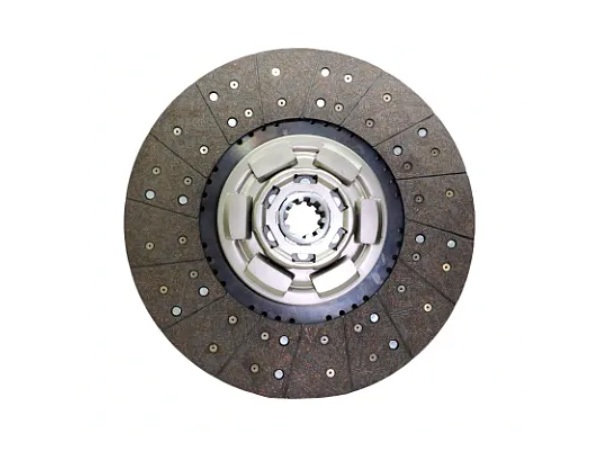
395 Clutch Plate
Product Details
The 395 clutch plate, defined by its 395-millimeter outer friction diameter, is an upgraded heavy-duty transmission core component optimized for high-torque medium and heavy commercial vehicles, widely adopted by mainstream truck, coach and construction machinery manufacturers worldwide. As the friction-driven intermediate part connecting engine flywheel and gearbox input shaft, it undertakes full-cycle power transmission, torque separation and driveline shock absorption. Compared with the conventional 380mm clutch plate, its expanded friction contact area delivers stronger load-bearing capacity, superior heat dissipation efficiency and longer service mileage, making it the preferred matching spare part for vehicles operating under frequent heavy haulage, mountain climbing and long-distance highway transportation scenarios.
The complete assembly of a premium 395 clutch plate consists of four core integrated modules: double-sided high-performance friction linings, integral wave-shaped cushion plates, multi-stage torsional vibration dampers and precision quenched spline hubs, each layer designed with differentiated industrial-grade materials to balance smooth operation and extreme durability. Two mainstream friction lining formulas are available to match diverse working conditions. Copper-sintered composite linings embed uniform brass alloy particles inside fiber substrates, boasting stable friction coefficient above 0.40 under sustained temperatures up to 420°C. This material resists glazing, carbonization and local ablation during long half-clutch slipping, ideal for overloaded dump trucks, mining transport vehicles and engineering machinery with severe start-stop friction. For standard logistics fleets and passenger coaches, high-density non-asbestos organic linings offer softer engagement, lower interior noise and milder wear on flywheels and pressure plates, greatly cutting driver fatigue during daily long-distance driving.
The middle wave cushion steel plate adopts one-piece stamping and tempering molding, forming elastic buffer gaps between friction surfaces. When the clutch engages or disengages, its flexible deformation eliminates rigid impact, avoids sudden vehicle jolts and evenly distributes clamping force across the entire friction area to prevent partial overheating. The core technical highlight of high-end 395 clutch plates lies in three-stage unequal-stiffness torsional damper systems. Multiple groups of chrome-silicon alloy damper springs cooperate with rubber limit buffers to filter out engine cylinder pulse vibration, road impact torque and rapid acceleration shocks. This structure effectively suppresses abnormal rattling of gearbox gears, reduces fatigue fracture risks of transmission shafts and extends the overall service life of the entire powertrain assembly by more than 25% versus single-stage damping clutch plates.
The central splined hub undergoes precision gear hobbing and high-frequency surface carburizing hardening, forming standard 10-tooth or 18-tooth universal splines compatible with Eaton, Luk, FAST and domestic heavy-duty gearboxes. Its maximum rated transmission torque reaches 1280N·m, perfectly matching 280–460 horsepower six-cylinder diesel engines for Sinotruk, Shaanxi Automobile, Yutong and mainstream overseas commercial vehicle brands. Strict manufacturing quality control standards are implemented for all finished products: every 395 clutch plate passes dynamic balance calibration to eliminate eccentric rotation and high-speed shaking, and completes 600,000-cycle friction durability tests under full rated torque to verify zero slipping, lining detachment or structural cracking after long-cycle operation.
In practical application coverage, the 395 clutch plate fits full-size semi-trailer tractors, 20–55-seat highway passenger buses, construction dumpers, cement mixers and medium-sized engineering vehicles. Its enlarged friction surface disperses unit contact pressure remarkably, solving common failure defects of smaller clutch plates such as rapid overheating, torque slipping and premature lining thinning under full-load towing. For fleet operators, standardized universal specifications reduce inventory types and shorten vehicle maintenance downtime during replacement, lowering comprehensive operation and maintenance costs in the long run.
Proper daily usage directly determines the service cycle of the 395 clutch plate. Drivers should avoid prolonged half-clutch sliding, violent heavy-load startup and frequent slipping on steep slopes to prevent excessive heat accumulation that burns friction linings. Regular inspections of damper spring elasticity and spline tooth wear can effectively prevent sudden clutch power loss during transportation.
In summary, the 395 clutch plate achieves an optimal balance of high torque resistance, excellent thermal stability, smooth driving experience and cost performance. Its mature upgraded structural design, dual optional friction materials and wide cross-brand interchangeability make it a mainstream standardized heavy-duty clutch component, delivering stable and reliable power transmission performance under the most severe commercial vehicle working conditions globally.
BLOGS
-
How to Choose the Right Leaf Sp
2026-07-10 06:01:42Discover how to choose the right leaf spring for your heavy duty truck. Learn about load capacity, material types, and what to look for in a reliable leaf spring supplier....
MORE + -
Common Leaf Spring Problems and
2026-07-07 05:01:56Identify and resolve common leaf spring problems in fleet vehicles. Expert guide to diagnosing failures and implementing effective replacement solutions for commercial trucks....
MORE + -
Understanding Clutch Pressure P
2026-07-03 03:45:25Learn how the clutch pressure plate works and identify the signs that indicate it needs replacement. Expert guide for mechanics and vehicle owners on pressure plate diagnosis and selection....
MORE + -
Why do heavy vehicles need thic
2026-06-16 11:13:11Heavy-duty trucks, semi-trailer tractors and construction machinery operate under continuous high torque, heavy loads and frequent start-stop conditions, which generate severe mechanical pressure and thermal shock on clut...
MORE +