 Current Location:
Leaf Spring
Clutch Plate
Clutch Pressure Plate
Oil Filter
Battery Clamp
Motorcycle Parts
Hydraulic Fittings
Brake Rotor
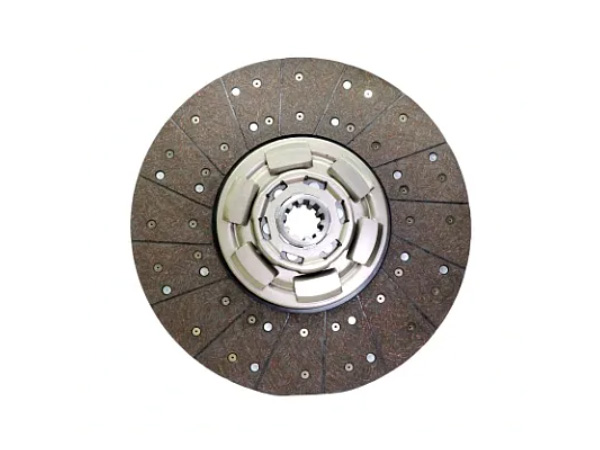
380 Clutch Plate
Product Details
The 380 clutch plate, named after its standard 380-millimeter outer diameter, stands as a core heavy-duty transmission component exclusively engineered for commercial heavy trucks, cargo haulers, construction machinery and medium-large passenger coaches. As the central friction-driven part of dry single-plate clutch assemblies, it bridges engine flywheels and gearbox input shafts, undertaking torque transmission, power cut-off and vibration buffering throughout vehicle operation. Unlike small-diameter clutch plates fitted for light passenger cars, the 380 clutch plate is built to withstand sustained heavy loads, frequent start-stop friction and extreme thermal spikes generated by full-load climbing, long-distance towing and repeated gear shifting, making it an irreplaceable spare part for high-torque commercial vehicle powertrains.
Structurally, a qualified 380 clutch plate integrates four core functional modules: double-sided friction linings, corrugated cushion steel plates, multi-stage torsional damper assemblies and precision splined hubs. The outer friction linings adopt two mainstream material formulas for differentiated working scenarios. Copper-based sintered composite linings are preferred for overloading and high-temperature environments; embedded copper alloy particles greatly boost thermal conductivity, stabilize friction coefficients above 0.38 at temperatures up to 380°C, and resist surface glazing or carbonization under prolonged slipping. For standard logistics fleets, high-density organic fiber linings deliver softer engagement feel, lower NVH (noise, vibration, harshness) and balanced wear resistance, effectively reducing rigid impact during half-clutch startup. The middle cushion steel plate uses wave-shaped stamping molding, which provides elastic buffer during contact and eliminates rigid vibration between friction surfaces to avoid abrupt jolts during gear shifts.
The torsional damper system represents the core technical highlight of premium 380 clutch plates. Equipped with multi-group unequal-stiffness damper springs and limit rubber buffers, it absorbs torsional vibration and torque shock generated by engine cylinder fluctuation, uneven road impact and rapid acceleration. This design prevents abnormal rattling of the gearbox, reduces fatigue damage to transmission gears and extends the overall service life of the powertrain. The central splined hub undergoes precision gear hobbing and high-frequency quenching treatment, matching universal 1.75-inch standard splines compatible with mainstream heavy-duty clutch housings from Eaton, Luk and domestic commercial vehicle brands, ensuring seamless interchangeability for most 6-cylinder heavy truck engines ranging from 260hp to 430hp.
Manufacturing of 380 clutch plates follows strict differential hardness matching standards to optimize wear balance. The surface hardness of friction linings is slightly lower than carburized flywheel and pressure plate surfaces. During friction engagement, controlled micro-wear occurs on the lining instead of abrading expensive flywheel assemblies, cutting overall vehicle maintenance costs. All semi-finished products go through dynamic balance calibration, eliminating eccentric rotation and abnormal vibration at high cruising speeds. Each finished unit passes 500,000-cycle friction durability tests under 1,800N·m rated torque to verify stable torque delivery without slipping, cracking or lining detachment.
In practical application scenarios, the 380 clutch plate covers wide commercial vehicle categories: long-distance highway cargo trucks, dump construction vehicles, semi-trailer tractors and 30–50-seat passenger buses. Its 380mm large friction area provides sufficient contact area to disperse unit pressure, solving the common failure problems of small clutch plates such as overheating ablation, torque slipping and short service life under heavy haulage. Compared with 350mm small clutch plates, it improves torque bearing capacity by nearly 30% and doubles average service mileage under full-load conditions. For fleet operators, standardized 380 clutch plate specifications lower inventory pressure and shorten vehicle downtime during maintenance and replacement.
Routine maintenance directly determines the service cycle of 380 clutch plates. Operators should avoid long-time half-clutch operation, aggressive startup with heavy loads and frequent slipping on steep slopes to prevent excessive heat accumulation that burns friction linings. Regular inspection of damper spring elasticity and spline wear can effectively avoid sudden clutch failure during transportation.
To sum up, the 380 clutch plate balances high torque resistance, thermal stability, driving smoothness and cost efficiency. Its mature structural design, versatile material options and universal mounting compatibility make it the dominant standard clutch plate for global heavy commercial vehicles, delivering reliable power transmission performance under the harshest transportation working conditions.
BLOGS
-
How to Choose the Right Leaf Sp
2026-07-10 06:01:42Discover how to choose the right leaf spring for your heavy duty truck. Learn about load capacity, material types, and what to look for in a reliable leaf spring supplier....
MORE + -
Common Leaf Spring Problems and
2026-07-07 05:01:56Identify and resolve common leaf spring problems in fleet vehicles. Expert guide to diagnosing failures and implementing effective replacement solutions for commercial trucks....
MORE + -
Understanding Clutch Pressure P
2026-07-03 03:45:25Learn how the clutch pressure plate works and identify the signs that indicate it needs replacement. Expert guide for mechanics and vehicle owners on pressure plate diagnosis and selection....
MORE + -
Why do heavy vehicles need thic
2026-06-16 11:13:11Heavy-duty trucks, semi-trailer tractors and construction machinery operate under continuous high torque, heavy loads and frequent start-stop conditions, which generate severe mechanical pressure and thermal shock on clut...
MORE +