Current Location:
Oil Strainer vs Oil Filter: Specifying Both Stages of an Engine Lubrication Circuit
2026-11-05When a buyer asks about oil strainer vs oil filter, the practical answer is that the two parts are not alternatives. They sit at opposite ends of the same lubrication circuit. An oil strainer, also called an oil pickup screen, is installed at the suction inlet of the oil pump and intercepts large debris before oil enters the pump body. An automotive oil filter sits between the oil pump and the engine friction components and removes fine contamination from circulating oil. Specifying one without the other leaves a gap in the circuit, and most low oil pressure complaints and premature bearing wear trace back to an incorrectly specified stage rather than to a defective unit. This guide sets out where each component belongs, which parameters are published on the product pages, which are not, and what an inquiry must contain.
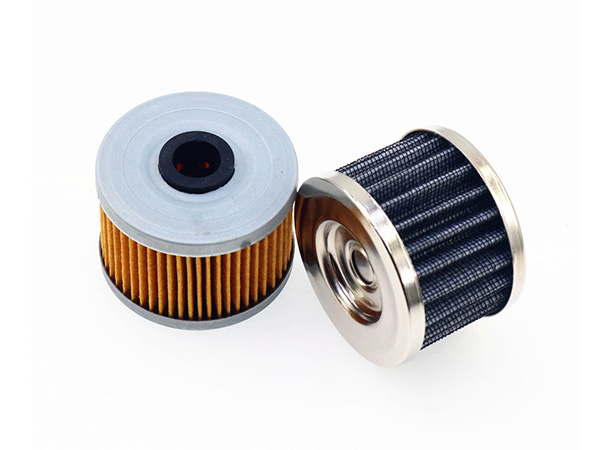
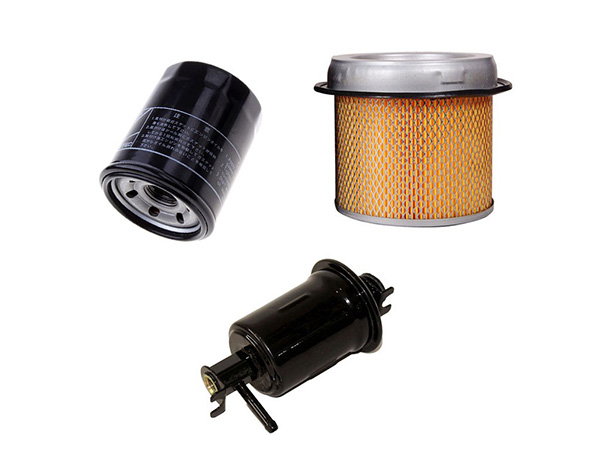
Where the Oil Strainer Sits in the Suction Line
The Oil Strainer page describes the part as the primary coarse filtration component installed at the suction inlet of engine oil pumps, hydraulic pumps and transmission lubrication systems, and as the first defensive barrier of the whole lubricating circuit. It intercepts metal shavings, casting sand, gasket fragments and sludge sediment before oil reaches the pump. Its stated design logic is a large-flow mesh structure with minimum pressure drop, because a restriction ahead of the pump can cause pump cavitation, gear abrasion and oil passage blockage. The page ties a correctly specified strainer to stable oil pressure output, reduced abnormal engine noise and longer service life for oil pumps, crankshaft bearings and camshaft assemblies. Applications listed cover sedans, SUVs, pickup trucks, heavy-duty commercial vehicles, motorcycles, agricultural machinery and small hydraulic equipment.
Two screen materials are stated. 304 stainless steel woven mesh is described as preferred for high-temperature heavy-duty engines and marine machinery, with a stated coarse filtration precision of 80-300 micron and resistance to operating temperature, oil corrosion and long-term vibration without mesh deformation or hole expansion. High-strength reinforced nylon mesh is described as lightweight and cost-effective for scooters, small-displacement motorcycles and family passenger cars, with oil resistance and a flexible structure for narrow oil sump space. Numeric temperature limits, mesh counts per part number and flow curves are not stated on the product pages.
The outer frame and suction pipe are described as thick steel stamping or high-temperature resistant engineering plastic, with integrated welding and injection molding eliminating split seams that would allow air suction and oil leakage and trigger low idle oil pressure warning lights. Each assembly carries high-temperature fluorine rubber O-rings and positioning springs that hold the screen close to the sump bottom to avoid vortex air intake during high-speed oil absorption. Structural forms listed are disc flat, curved pipe pickup, cylindrical inline and cartridge replaceable strainers; mounting holes, pipe calibers and flange spacing are stated to follow original vehicle parameters for direct replacement without cutting or bending. Factory tests named are high-flow pressure loss detection, thermal cycling aging, vibration fatigue simulation and mesh interception efficiency inspection. The page also states the products support repeated cleaning and reuse, but publishes no numeric results, cleaning intervals, seal dimensions or third-party certificates.
What the Automotive Oil Filter Handles on the Pressure Side
The Automotive Oil Filter page positions the part between the engine oil pump and each friction component, continuously filtering metal debris, carbon deposits, sludge, dust and other tiny impurities. Clean oil forms a complete film on crankshafts, camshafts, bearings and piston assemblies, reducing metal friction, lowering operating temperature and avoiding premature wear, abnormal noise or cylinder-scraping failures. The site lists full-series spin-on and cartridge filters for commuter sedans, off-road SUVs, heavy-duty pickup trucks and commercial transport vehicles.
The medium is described as multi-layer composite filter paper of high-density wood pulp mixed with synthetic fiber, with uniform micropores, strong oil absorption and deformation resistance under long-term high-temperature oil immersion. It is stated to intercept micron-level pollutants while avoiding the excessive pressure drop that would starve oil supply at high engine speed. For heavy-duty diesel trucks and engineering vehicles the page describes thicker reinforced media with larger dirt holding capacity for dusty conditions and long oil change intervals; the paper is folded into dense uniform pleats to maximize area. The shell is described as thickened cold-rolled steel plate formed by seamless deep drawing to withstand instantaneous oil pressure impact during cold startup and high-load climbing. A built-in bypass pressure relief valve opens when a loaded element blocks flow, maintaining basic circulation. The base gasket is described as high-temperature resistant nitrile rubber, and perforated steel central tubes support the paper against collapse.
Factory tests named are filtration efficiency, pressure burst, high-low temperature aging cycles and anti-vibration fatigue. Versions are grouped as standard passenger car, heavy-duty truck reinforced and high-performance modified, with thread sizes, gasket diameters and overall height stated to follow OEM specifications for direct replacement. Not stated on the product pages: numeric filtration efficiency, a micron rating for the fine media, burst pressure values, bypass valve opening pressure, service intervals, certification numbers or third-party test reports. The test list describes in-house checks, not a certificate of conformity.
Side-by-Side Differences That Change the Specification
Each row points to a different drawing, seal or test record.
- Position: the strainer is on the suction side ahead of the pump; the filter is on the pressure side between the pump and the friction components.
- Contaminant size: the strainer targets metal shavings, casting sand, gasket fragments and sludge sediment; the filter targets micron-level debris, carbon deposits, sludge and dust.
- Medium: 304 stainless steel woven mesh or reinforced nylon mesh versus multi-layer wood pulp and synthetic fiber paper.
- Pressure behaviour: the strainer keeps pressure drop to a minimum to avoid cavitation; the filter withstands pressure impact and includes a bypass relief valve.
- Sealing hardware: fluorine rubber O-rings and positioning springs versus a nitrile rubber base gasket on a threaded mounting.
- Service pattern: the strainer page states repeated cleaning and reuse after disassembly; a loaded spin-on filter is replaced as a unit.
- Verification: flow pressure loss, thermal cycling, vibration fatigue and mesh interception efficiency versus filtration efficiency, pressure burst, aging cycles and anti-vibration fatigue.
Two consequences follow. A single part number cannot cover both stages, and an inquiry that says only "oil filter" will usually be answered with the pressure-side component. The 80-300 micron range stated for the stainless mesh strainer also says nothing about fine filtration performance, which is not stated at all.
Condition A vs Condition B: Which Failure Mode Governs Your Choice
Condition A is suction-side governed: a high-mileage engine with accumulated sludge, an engine opened for a rebuild that may still carry casting sand or gasket fragments, a low idle oil pressure warning light, or a pump that whines and cavitates after reassembly. The governing items are pickup screen form, seam integrity, fluorine rubber O-ring fit, positioning spring and flange spacing. The site notes that split seams and mismatched rings cause air suction and oil leakage rather than poor filtration, so an excellent mesh rating cannot compensate for a wrong seal. Ask for the strainer form and the seal kit.
Condition B is pressure-side governed: long oil drain intervals, dusty intake conditions, sustained high load and high engine speed, heavy-duty diesel trucks and engineering vehicles. Here the governing items are media grade, pleat area, dirt holding capacity, bypass valve behaviour and shell strength. The site describes thicker reinforced media for heavy-duty diesel and engineering vehicles, so the correct question is which version is quoted. Cold startup and high-load climbing are named as the pressure impact cases the shell must survive.
Both conditions can coexist in one fleet, and the parts remain complementary. Placing a fine filter element on the suction side to improve cleanliness is a mistake: the strainer exists to keep pressure drop low and protect the pump from cavitation. Equally, the coarse screen alone does not protect bearings and camshafts. Because no flow curves, pressure ratings or efficiency values are published, suitability should not be inferred from the coarse filtration range alone.
What to Put in an Inquiry for Oil Strainers and Oil Filters
A filtration inquiry is only quotable when it identifies the stage, the geometry and the operating condition.
- Name the component and stage: oil strainer / oil pickup screen for the suction side, or automotive oil filter for the pressure side. List both as separate line items if required.
- State the application: vehicle type, engine model, displacement, and whether it is a passenger car, heavy-duty truck, engineering vehicle, motorcycle, agricultural machine or small hydraulic system.
- For a strainer, state the structural form: disc flat, curved pipe pickup, cylindrical inline or cartridge replaceable.
- For a strainer, state the screen material: 304 stainless steel woven mesh for high-temperature heavy-duty or marine duty, or reinforced nylon mesh for scooters, small-displacement motorcycles and passenger cars. State whether the 80-300 micron coarse range applies.
- For a filter, state spin-on or cartridge and the version: standard passenger car, heavy-duty truck reinforced, or high-performance modified.
- Give interface dimensions: thread size, gasket diameter, overall height, mounting hole pattern, pipe caliber and flange spacing. Supply the OEM reference or a drawing rather than asking the supplier to guess.
- Specify sealing expectations: fluorine rubber O-rings and positioning springs for strainers; high-temperature resistant nitrile rubber gaskets for filters.
- Confirm whether a bypass pressure relief valve is required and how it behaves under a loaded element.
- Ask which factory test records can accompany the shipment: filtration efficiency, pressure burst, aging cycle and anti-vibration fatigue for filters; high-flow pressure loss, thermal cycling, vibration fatigue and mesh interception efficiency for strainers.
- Request a parameter sheet for everything not stated: numeric efficiency, fine-media micron rating, flow curves, burst pressure, bypass setting, temperature limits, cleaning interval, seal dimensions and conformity documentation.
- State packing, labelling and quantity so the quoted part, drawing and delivered goods can be matched on receipt.
Check that the reply addresses the stage you named. A performance figure quoted without its test method is not verifiable, because the product pages publish only the names of in-house tests, not their results.
Common Mistakes Buyers Make When Specifying Filtration
- Treating the strainer and the filter as substitutes. They occupy different positions and remove different sizes of contamination.
- Putting a fine, high-restriction element on the suction side. The strainer is described as a large-flow mesh with minimum pressure drop specifically to avoid cavitation, gear abrasion and oil passage blockage.
- Assuming universal fit. Mounting holes, pipe calibers, flange spacing, thread sizes, gasket diameters and overall height are stated to follow original vehicle parameters.
- Ignoring the seals. Split seams and mismatched rings are named as causes of air suction, oil leakage and low idle oil pressure warnings; an aged gasket is named as a cause of seepage.
- Quoting a micron figure without a test method. The 80-300 micron figure applies only to the coarse stainless mesh strainer; no fine-media rating or efficiency percentage is published.
- Not stating the duty cycle. Passenger car, heavy-duty reinforced and high-performance versions are listed separately, with reinforced media described for dusty conditions and long oil change intervals.
- Overlooking the bypass valve, which the site describes as opening when a loaded element blocks flow.
- Omitting OEM drawings for an engine already rebuilt or modified. Without that reference, direct replacement without cutting or bending cannot be relied upon.
Frequently Asked Questions
Is an oil strainer the same as an oil filter?
No. The oil strainer, also called an oil pickup screen, sits at the suction inlet of the pump and is described as coarse, large-flow protection against metal shavings, casting sand, gasket fragments and sludge sediment. The automotive oil filter sits between the pump and the friction components and is described as removing fine, micron-level contamination from circulating oil. Both belong to the same circuit, and specifying one does not remove the need for the other.
Can an oil strainer be cleaned and reused?
The Oil Strainer page states that the products support repeated cleaning and reuse after disassembly, presented as a way to lower long-term maintenance expense. It publishes no cleaning interval or maximum reuse cycle, so those details are not stated on the product pages. A loaded spin-on filter follows the opposite pattern and is replaced as a unit; the site describes its bypass valve as opening when accumulated dirt blocks flow.
Which mesh material should be specified for a high-temperature heavy-duty engine?
According to the product page, 304 stainless steel woven mesh is preferred for high-temperature heavy-duty engines and marine machinery, because the woven structure resists operating temperature, oil corrosion and long-term vibration without deformation or hole expansion; the stated coarse filtration precision is 80-300 micron. Reinforced nylon mesh is described for scooters, small-displacement motorcycles and family passenger cars where low weight and a flexible structure for a narrow sump matter. Specific temperature limits are not stated and should be requested.
What should be requested when a supplier quotes a filtration efficiency figure?
Ask for the test method, the test conditions and the report behind the number. The product pages list filtration efficiency, pressure burst, aging cycle and anti-vibration fatigue tests for filters, and high-flow pressure loss, thermal cycling, vibration fatigue and mesh interception efficiency inspections for strainers, but publish no numeric results. Standardised methods for full-flow lubricating oil filters exist in the ISO 4548 series, covering differential pressure and flow, particle retention efficiency, anti-drain valve behaviour and particle-count filtration efficiency; naming the method makes a quoted figure comparable. Any certification claim should be supported by documentation, since the pages make no such claim themselves.
Conclusion
The oil strainer vs oil filter question is best answered as a circuit question. The suction-side strainer protects the pump from coarse debris while keeping pressure drop low enough to prevent cavitation; the pressure-side filter protects crankshafts, camshafts, bearings and piston assemblies from fine contamination while surviving cold-start pressure impact. Their materials, seals, structural forms and verification tests differ accordingly.
What the pages omit matters too. Numeric efficiency, fine-media ratings, flow and pressure curves, burst values, bypass settings, temperature limits, service intervals and conformity documentation are not stated on the product pages. A sound inquiry names the stage, duty cycle, interface dimensions against an OEM reference, material or version, and the test records required. Keeping those halves separate prevents a quotation that leaves one stage of the circuit unprotected.
References
International Organization for Standardization. ISO 4548-1: Methods of test for full-flow lubricating oil filters for internal combustion engines - Part 1: Differential pressure/flow characteristics. www.iso.org
International Organization for Standardization. ISO 4548-4: Methods of test for full-flow lubricating oil filters for internal combustion engines - Part 4: Initial particle retention efficiency, life and cumulative efficiency (gravimetric method). www.iso.org
International Organization for Standardization. ISO 4548-9: Methods of test for full-flow lubricating oil filters for internal combustion engines - Part 9: Inlet and outlet anti-drain valve tests. www.iso.org
International Organization for Standardization. ISO 4548-12: Methods of test for full-flow lubricating oil filters for internal combustion engines - Part 12: Filtration efficiency using particle counting and contaminant retention capacity. www.iso.org