Current Location:
Leaf Spring Bushings: Types, Function and When to Replace Them
2026-10-13If you ask most drivers what a leaf spring is made of, they will describe steel leaves and bolts. The small rubber or polyurethane sleeves pressed into the spring eyes are rarely mentioned, yet they are the components that decide whether the suspension feels tight or loose, quiet or rattly. Bushings are the quiet workhorses of the suspension, and when they fail the whole vehicle tells you about it.
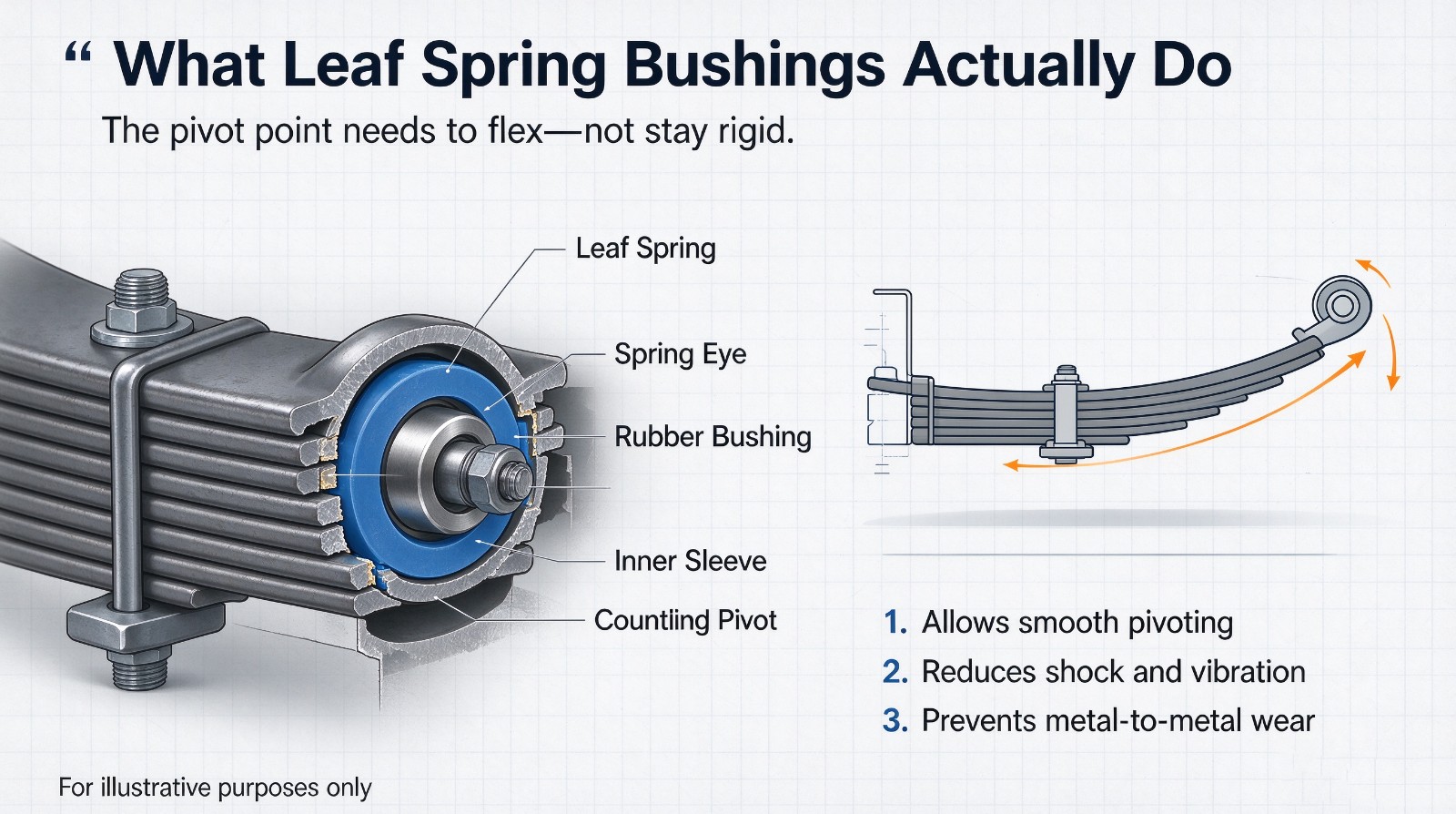
What Leaf Spring Bushings Actually Do
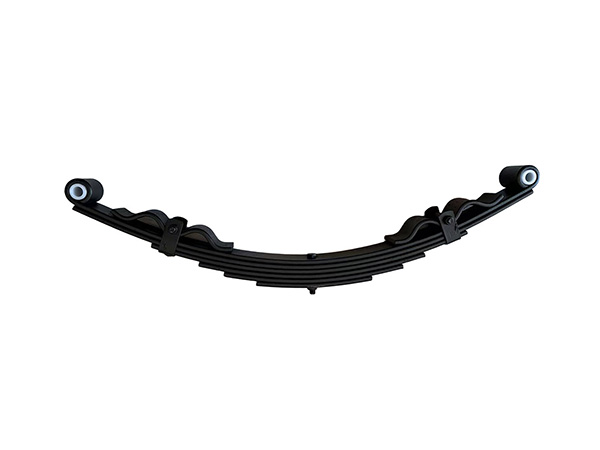
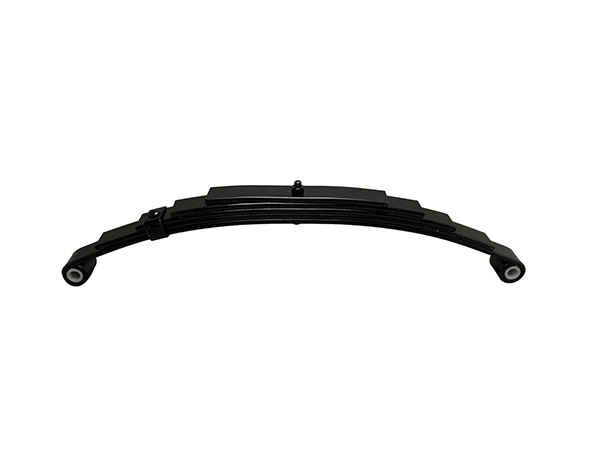
A leaf spring is bolted at one end and pivots at the other. The pivot point — the spring eye — cannot be a rigid steel-to-steel joint, because the spring flexes through an arc as the axle moves. The bushing sits in that eye and provides a controlled, lubricated pivot that absorbs small movements and isolates road noise and vibration from the chassis. Without it, every bump would transmit directly into the frame, and the metal joint would wear out in short order.
In effect, the bushing is a sacrificial, serviceable component. It is designed to take the wear so the spring eye and the mounting bolt do not.
Rubber vs Polyurethane vs Bronze Bushings
Rubber bushings are the original equipment standard for the overwhelming majority of vehicles. They offer the best noise isolation and a comfortable ride, because the rubber deflects easily and dampens high-frequency vibration. The downside is that rubber degrades with heat, oil exposure, and age, eventually cracking and losing its grip on the inner sleeve.
Polyurethane bushings gained popularity in the aftermarket because they resist oil, temperature, and deformation far better than rubber. They hold their shape under load and last longer in harsh conditions. The trade-off is a firmer ride and, in some cases, more transmitted noise, because polyurethane does not absorb vibration the way rubber does.
Bronze or greasable metal bushings are used in heavy duty and off-road applications where loads are extreme and the joint must survive abrasion. They rely on a grease film rather than elasticity, which means they need periodic lubrication but can outlast either rubber or polyurethane in the worst environments.
Signs of Worn Bushings
A failing bushing announces itself in a few characteristic ways. The most common is a clunking or squeaking noise from the spring eye area when transitioning from acceleration to braking, or when hitting a bump. As the bushing loses its grip, the spring eye can shift slightly and the axle can develop a small but noticeable fore-aft movement.
Uneven tire wear is another tell. A loose spring eye changes the axle's position relative to the chassis, which alters alignment angles enough to scrub the edges of the tires. If a truck develops strange tire wear on one side with no obvious cause, the bushings are worth inspecting.
How Bushings Affect Ride and Handling
Drivers sometimes blame the spring itself for a vague or wandering feel, when the real culprit is soft bushings allowing the axle to move within its mounts. Tight, fresh bushings keep the suspension geometry stable, which translates to predictable steering and even tire contact. In fleet service, replacing worn bushings during a spring job is cheaper than chasing handling complaints later.
Replacement Process Overview
Bushings are either pressed in or bonded in, depending on the design. Pressed bushings can be removed with a hydraulic press and a proper mandrel, then a new one pressed in square. Bonded assemblies are replaced as a complete spring eye component. The key is never to hammer a bushing in crooked — a tilted bushing will bind, wear unevenly, and likely fail early.
Choosing the Right Bushing Supplier
Bushing quality varies enormously between sources. A good supplier will state the durometer (hardness) of the rubber or polyurethane compound, the inner and outer diameters to a tolerance, and whether the part is greaseable. For buyers sourcing in volume, a manufacturer that can supply bushings matched to specific spring eye dimensions — including custom sizes for older or modified vehicles — removes the risk of a poor fit.
Closing Thoughts
Bushings may be small, but they sit at the intersection of comfort, handling, and durability. Picking the right material for the duty cycle and replacing them on schedule keeps the rest of the suspension working as designed. A parts supplier that treats bushings as a precision component rather than a commodity is worth holding onto.
References
Reimpell, J., Stoll, H., & Betzler, J.W. (2001). The Automotive Chassis: Engineering Principles (2nd ed.). Butterworth-Heinemann, Oxford.
Gillespie, T.D. (1992). Fundamentals of Vehicle Dynamics. SAE International, Warrendale, PA. doi:10.4271/R-114.
Society of Automotive Engineers. (2019). SAE J1123: Recommended Practice for Vehicle Suspension Springs. SAE International.
Dixon, J.C. (2015). The Shock Absorber Handbook (2nd ed.). SAE International.