Current Location:
How to Identify High-Quality Clutch Parts vs Counterfeit Products
2026-08-13The global market for automotive components is unfortunately home to a significant number of counterfeit and substandard parts, and clutch components are no exception. Counterfeit clutch discs, pressure plates, and release bearings are manufactured to look like genuine products but often fail far sooner than expected, sometimes within a few thousand kilometers of installation. Understanding how to identify high-quality parts — and how to verify the credibility of your supplier — is one of the most important skills a parts buyer or fleet manager can develop.
The Scope of the Counterfeit Parts Problem
Industry estimates suggest that counterfeit automotive parts represent a substantial percentage of parts sold in some markets, with clutch components, brake parts, and filters among the most commonly counterfeited categories. These parts may be manufactured with inferior materials, incorrect specifications, or poor quality control — or all three simultaneously.
The consequences of installing counterfeit parts range from premature failure and customer complaints to serious safety incidents. A clutch disc that is slightly undersized or made from the wrong friction compound can slip and overheat, damaging the flywheel, pressure plate, and transmission input shaft in the process. The cost of these secondary damages often far exceeds the original savings from buying cheaper parts.
Visual Inspection of Clutch Components
Before installation, a careful visual inspection of new parts can reveal many quality issues. Begin by examining the packaging and labeling. Genuine parts from established manufacturers typically arrive in professional packaging with clear, legible labels including the part number, application data, and manufacturer information. Typos, blurry printing, inconsistent fonts, or missing information on the packaging are warning signs.
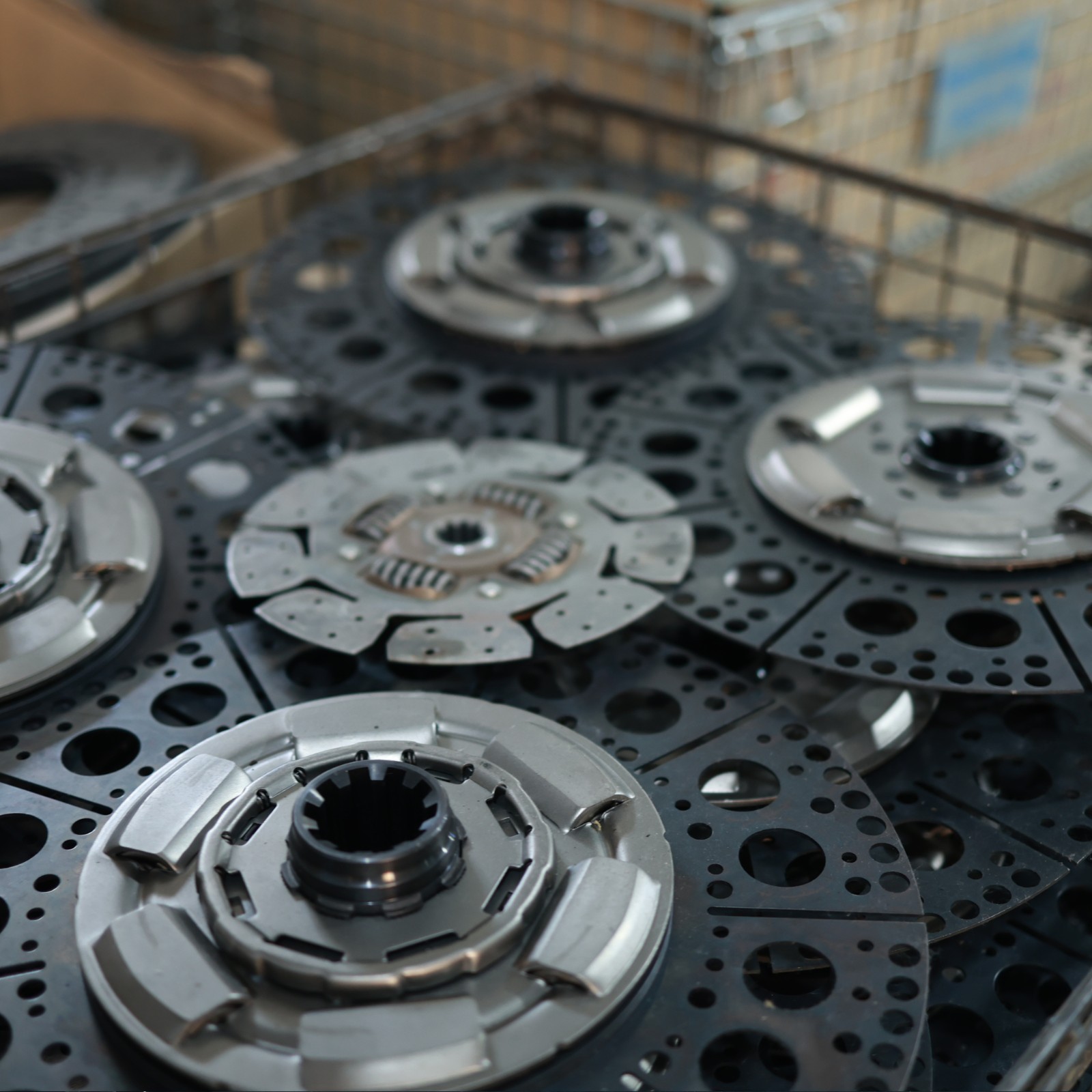
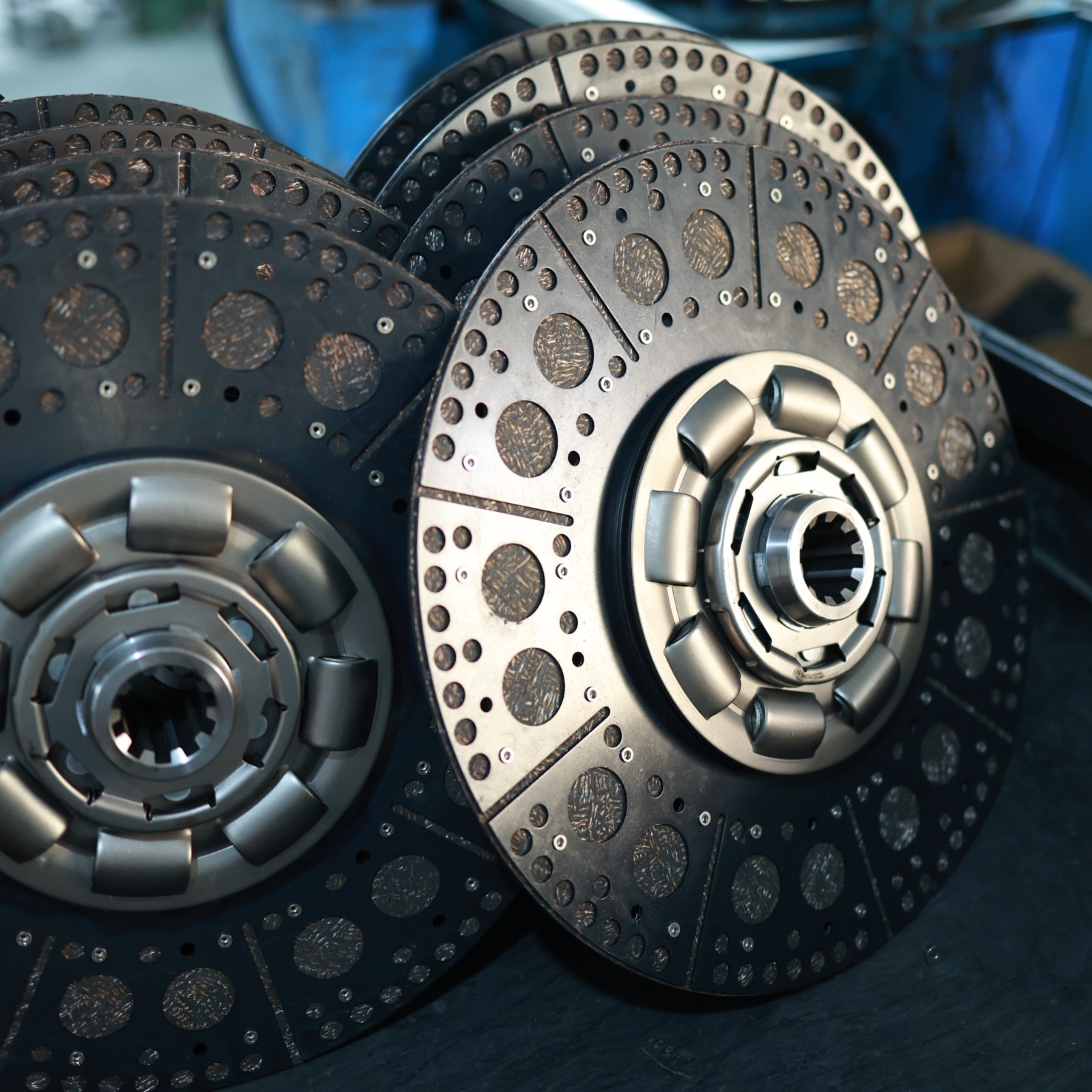
For the clutch disc itself, examine the friction material surface. High-quality organic friction material should have a consistent, slightly textured surface without obvious voids, air pockets, or delaminated areas. The steel core should be flat and free of rust, pitting, or burrs at the spline openings. Check that the rivets — or, in bonded designs, the adhesive bond line — are uniform and free of gaps.
For the pressure plate, inspect the diaphragm spring fingers for consistent geometry and surface finish. The friction surface should be flat, smooth, and free of score marks, cracks, or excessive discoloration that might indicate overheating in a previous application. Any signs of previous use — such as worn spots, edge chamfers matching a previous disc, or adhesive residue — indicate a part that has been reinstalled and should never be used.
Material and Weight Verification
Quality parts are made from consistent, properly specified materials. A genuine clutch disc will have a specific weight range determined by the material density and geometry. If you have access to the original part or a known genuine replacement, compare the weights. A significantly lighter disc may indicate thinner friction material or a lighter-gauge steel core — both quality shortcuts that compromise performance.
The friction material itself can reveal much about quality. High-quality organic materials have a characteristic feel — slightly abrasive but not gritty. If the surface feels powdery, excessively smooth, or has a noticeably different texture than expected, the formulation may be wrong or the material may be degraded. Ceramic friction materials should have a uniform distribution of ceramic fibers visible on the surface without obvious clumps or gaps.
Supplier Credentials and Sourcing Strategies
The most effective way to avoid counterfeit parts is to source from established, credentialed suppliers. Look for suppliers who can provide the following:
Manufacturer documentation: Quality manufacturers provide material certifications, dimensional reports, and batch test data for their products. Ask for these documents before purchasing, especially for large orders.
Traceable supply chain: Parts should be traceable back to the manufacturing facility through batch numbers, lot codes, or serial numbers. A supplier who cannot provide traceability information is a significant risk.
Established history and references: Suppliers with a long track record and verifiable customer references are generally more reliable than unknown sellers. Ask for references in your specific industry.
Technical support capability: A knowledgeable supplier should be able to answer technical questions about their products, recommend appropriate parts for specific applications, and provide after-sales support if issues arise.
OEM/ODM capability: Manufacturers who supply both OEM markets and offer custom engineering services typically have tighter quality control systems than simple traders or resellers.
Red Flags to Watch For
Be suspicious of prices that seem too good to be true, especially on parts for which you have obtained other quotes at significantly higher prices. Parts sold through unofficial channels, unverified online marketplaces, or without proper documentation should be approached with caution. Inconsistent or missing packaging, part numbers that do not cross-reference to known databases, and suppliers who are reluctant to provide technical data or references are all warning signs.
Conclusion
Counterfeit clutch parts are a genuine risk in the automotive components market. Careful visual inspection, material verification, and — most importantly — sourcing from reputable, established suppliers with proper credentials and traceability can effectively mitigate this risk. The additional time spent verifying parts and suppliers is a worthwhile investment that protects both vehicle safety and long-term maintenance costs.
References
International Organization for Standardization. (2019). ISO 22201-1: Packaging of manufactured articles — Part 1: Requirements for anti-counterfeiting packaging. ISO, Geneva.
U.S. Customs and Border Protection. (2022). Annual Report on Counterfeit and Piracy Goods. U.S. Department of Homeland Security, Washington, D.C.
European Automobile Manufacturers Association (ACEA). (2020). Guideline on Counterfeit Automotive Parts: Identification and Prevention. ACEA, Brussels.
National Highway Traffic Safety Administration. (2018). Consumer Advisory: Counterfeit Automotive Parts Safety Risks. U.S. Department of Transportation.