 Current Location:
Leaf Spring
Clutch Plate
Clutch Pressure Plate
Oil Filter
Battery Clamp
Motorcycle Parts
Hydraulic Fittings
Brake Rotor
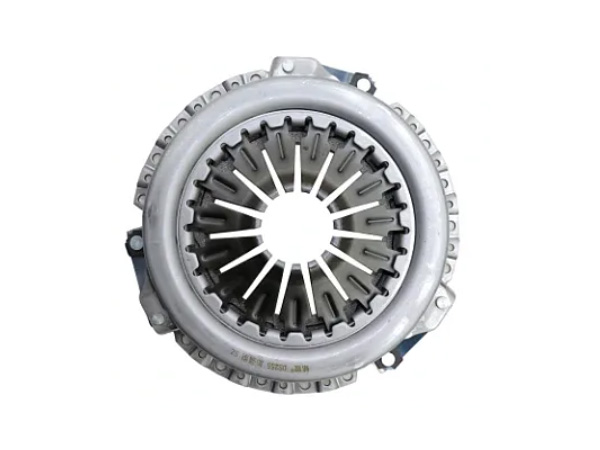
255 Clutch Pressure Plate
Product Details
The 255 clutch pressure plate is a core power transmission component with a 255mm effective pressing diameter, widely equipped on medium-duty trucks, light commercial vehicles, agricultural tractors, construction machinery and high-torque modified vehicles. Matched with clutch disc, release bearing and engine flywheel, it controls the engagement and disengagement of engine power to the gearbox.
Its main body adopts high-strength ductile cast iron with precise surface grinding, ensuring flat friction contact surface and stable clamping force. The integrated heat-treated diaphragm spring provides consistent elastic pressure, resisting fatigue and pressure loss under long-term high-temperature, frequent shifting and heavy-load startup conditions. The enlarged 255mm friction area brings superior load capacity and heat dissipation compared with 250-type pressure plates, effectively preventing friction plate ablation and clutch slipping during climbing, cargo transportation and continuous operation.
Advanced manufacturing processes including stress relief tempering, integral stamping and anti-rust surface coating greatly extend its service life in dusty, muddy and high-temperature working scenarios. Each finished product passes strict dynamic balance, torsion resistance and durability fatigue tests to meet OEM and aftermarket replacement quality standards.
Working principle: Pushing the clutch pedal makes the release bearing compress the inner end of the diaphragm spring, lifting the pressure plate cover to separate the friction disc and cut off power. Loosening the pedal restores spring tension to clamp the clutch disc tightly against the flywheel for full power transmission. Compact overall structure facilitates quick disassembly, maintenance and replacement, with high compatibility for mainstream 255 series clutch kits in the market.
Suitable for vehicles requiring higher torque output, this pressure plate delivers reliable, low-failure performance for long-distance transport and heavy-duty engineering operations.
BLOGS
-
Organic vs Ceramic Clutch Disc
2026-08-16 09:37:25Compare organic vs ceramic clutch disc materials for your vehicle. Learn the pros and cons of each friction material type and find the right choice for your specific application....
MORE + -
OEM vs Aftermarket Clutch Compo
2026-08-15 07:52:41Compare OEM vs aftermarket clutch components to find the right choice for your vehicle. Understand quality differences, cost considerations, and when each option makes sense....
MORE + -
Understanding Multi-Leaf vs Mon
2026-08-14 06:55:10Learn the differences between multi-leaf and mono-leaf spring designs for commercial vehicles. Compare performance, durability, and application suitability from an expert perspective....
MORE + -
Leaf Spring Material Selection:
2026-08-13 06:43:00Compare carbon steel vs alloy steel for leaf spring manufacturing. Understand material properties, heat treatment, and how steel selection affects spring performance and longevity....
MORE +